
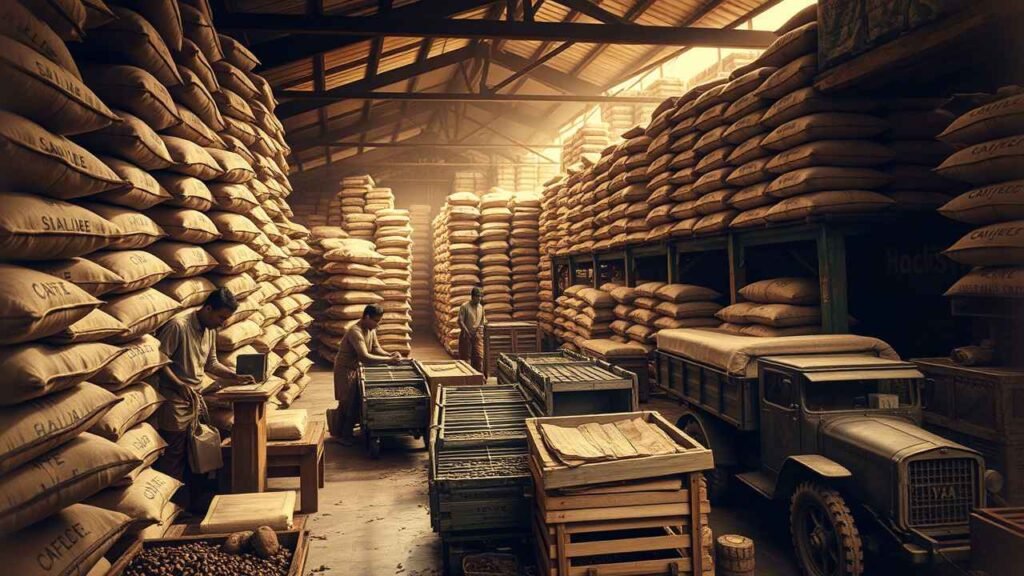
Indonesia has emerged as one of the world’s top suppliers of bulk green coffee beans, with exports reaching 400,000 metric tons annually. The archipelago’s unique geography and traditional processing methods create distinctive flavor profiles that are increasingly sought after by specialty roasters worldwide. From Sumatra’s earthy Mandheling to Java’s floral Preanger varieties, Indonesian green coffee offers exceptional diversity for bulk buyers.
At Java Preanger, we specialize in supplying container loads of premium Indonesian green coffee beans with full traceability from farm to port. This comprehensive guide covers everything you need to know about sourcing bulk green coffee from Indonesia, including regional characteristics, quality standards, and current market trends.
Table of Contents
-
Why Source Green Coffee Beans from Indonesia?
-
Major Coffee Growing Regions in Indonesia
-
Understanding Indonesian Coffee Processing Methods
-
Quality Standards for Bulk Green Coffee
-
How to Identify Reliable Indonesian Suppliers
-
Bulk Pricing and Market Trends (2024 Update)
-
The Complete Export Process Step-by-Step
-
Logistics and Shipping Considerations
-
Sustainable Sourcing Practices
-
FAQ: Bulk Green Coffee Beans Indonesia
-
Partnering with Trusted Indonesian Exporters
Why Source Green Coffee Beans from Indonesia?
Indonesia offers several unique advantages for bulk coffee buyers:
Key Benefits:
-
Diverse flavor profiles: From earthy Sumatrans to floral Javanese coffees
-
Traditional processing: Unique wet-hulling (Giling Basah) method
-
Competitive pricing: Typically 15-20% below comparable Central/South American arabica
-
Year-round availability: Staggered harvest seasons across islands
-
Growing specialty sector: 20% of production now specialty grade
Indonesian Coffee Production Stats:
| Metric | 2024 Data |
|---|---|
| Total production | 660,000 metric tons |
| Arabica share | 25% |
| Specialty coffee potential | 15-20% of arabica |
| Main export markets | USA, Germany, Japan |
Major Coffee Growing Regions in Indonesia
1. Sumatra (North Sumatra, Aceh)
-
Key varieties: Mandheling, Gayo
-
Flavor profile: Earthy, herbal, full-bodied
-
Processing: Traditional wet-hulling
-
Harvest: October-March
2. Java (West Java, East Java)
-
Key varieties: Preanger, Jampit
-
Flavor profile: Floral, clean, tea-like
-
Processing: Washed and wet-hulled
-
Harvest: May-September
3. Sulawesi (Toraja, Kalosi)
-
Key varieties: Toraja, Kalosi
-
Flavor profile: Spicy, fruity, balanced
-
Processing: Washed
-
Harvest: May-November
Regional Comparison:
| Region | Altitude (masl) | SCA Score Range | Price Range (FOB 2024) |
|---|---|---|---|
| Sumatra | 1,100-1,500 | 82-86 | $7-$11/kg |
| Java | 1,200-1,600 | 83-87 | $8-$12/kg |
| Sulawesi | 1,100-1,800 | 83-86 | $9-$13/kg |
Understanding Indonesian Coffee Processing Methods
1. Wet-Hulling (Giling Basah)
-
Most common in Sumatra
-
Beans hulled at 30-35% moisture
-
Creates signature heavy body and low acidity
-
Requires careful drying post-hulling
2. Washed Process
-
Common in Java and Sulawesi
-
Fermentation followed by washing
-
Produces cleaner, brighter cups
-
More water-intensive
3. Semi-Washed
-
Hybrid method gaining popularity
-
Some mucilage remains during drying
-
Balances body and clarity
Quality Standards for Bulk Green Coffee
Specialty Coffee Association (SCA) Standards:
-
Grade 1 (Specialty): 80-100 points, ≤5 defects
-
Grade 2 (Premium): <80 points, ≤8 defects
-
Commercial grade: >8 defects
Physical Quality Markers:
-
Moisture content: 10-12%
-
Bean density: Hard bean preferred
-
Screen size: 15-18 (90% uniformity)
-
Color: Uniform green (no yellowing)
Pro Tip: Java Preanger provides SCA cupping reports with all bulk shipments.
How to Identify Reliable Indonesian Suppliers
Supplier Evaluation Checklist:
-
Export licenses and documentation
-
Quality control processes
-
Farm relationships and traceability
-
Logistics capabilities
-
Financial stability
-
Client references
Red Flags to Avoid:
-
Unwillingness to provide samples
-
Vague origin information
-
Prices significantly below market
-
Lack of proper documentation
Bulk Pricing and Market Trends (2024 Update)
Current Price Ranges (FOB):
| Grade | Quality | Price/MT | Typical MOQ |
|---|---|---|---|
| Specialty | SCA 80+ | $5,000-$9,000 | 5MT+ |
| Premium | Good commercial | $3,500-$5,000 | 10MT+ |
| Standard | Commodity | $2,500-$3,500 | 18MT+ |
Market Trends:
-
Growing demand for traceable lots
-
Increased interest in micro-lots
-
Climate challenges affecting yields
-
Price volatility due to supply chain issues
-
Sustainability becoming key differentiator
The Complete Export Process Step-by-Step
1. Supplier Selection (4-8 weeks)
-
Research potential suppliers
-
Evaluate samples and documentation
2. Contract Negotiation
-
Agree on quality specs, quantity, price
-
Determine Incoterms (FOB common)
-
Payment terms (30% deposit typical)
3. Pre-Shipment Preparation
-
Final quality inspection
-
Packaging (jute/GrainPro)
-
Documentation preparation
4. Shipping Arrangements
-
Book vessel space
-
Arrange inland transport
-
Handle customs clearance
5. Post-Shipment Follow-up
-
Track shipment
-
Prepare import documents
-
Quality verification upon arrival
Logistics and Shipping Considerations
Key Factors:
-
Packaging: Jute bags (standard) vs GrainPro (premium)
-
Container types: Dry vs refrigerated
-
Shipping routes: Direct vs transshipment
-
Transit times: 25-35 days to major ports
-
Insurance: All-risk recommended
Documentation Checklist:
-
Commercial Invoice
-
Packing List
-
Certificate of Origin
-
Phytosanitary Certificate
-
Bill of Lading
-
Quality Certificates
Sustainable Sourcing Practices
Best Practices:
-
Fair pricing: Pay farmers 25-40% above market
-
Long-term contracts: Provide stability
-
Community support: Fund education, healthcare
-
Environmental protection: Organic farming, reforestation
Certification Benefits:
-
Organic: 15-20% price premium
-
Fair Trade: 10-15% premium
-
Rainforest Alliance: 5-10% premium
FAQ: Bulk Green Coffee Beans Indonesia
1. What’s the minimum order quantity?
Most suppliers require at least 1 metric ton, with better pricing at container loads (18-20MT).
2. How do payments typically work?
Standard practice is 30% deposit with order, 70% against shipping documents.
3. Which certifications add the most value?
Organic and Fair Trade command 15-25% price premiums in Western markets.
4. How should green coffee be stored?
In cool (15-20°C), dry conditions with good ventilation, ideally in GrainPro bags.
5. What’s the shelf life of green coffee?
Properly stored green coffee maintains quality for 12-18 months from harvest.
Partnering with Trusted Indonesian Exporters
For buyers seeking premium bulk green coffee beans Indonesia, Java Preanger offers:
-
Direct farm relationships across Indonesia
-
Full export documentation and certifications
-
Container quantities of specialty-grade coffee
-
Sustainable pricing models supporting farmers
Ready to import premium Indonesian coffee? Contact our export team for current crop availability and samples.