
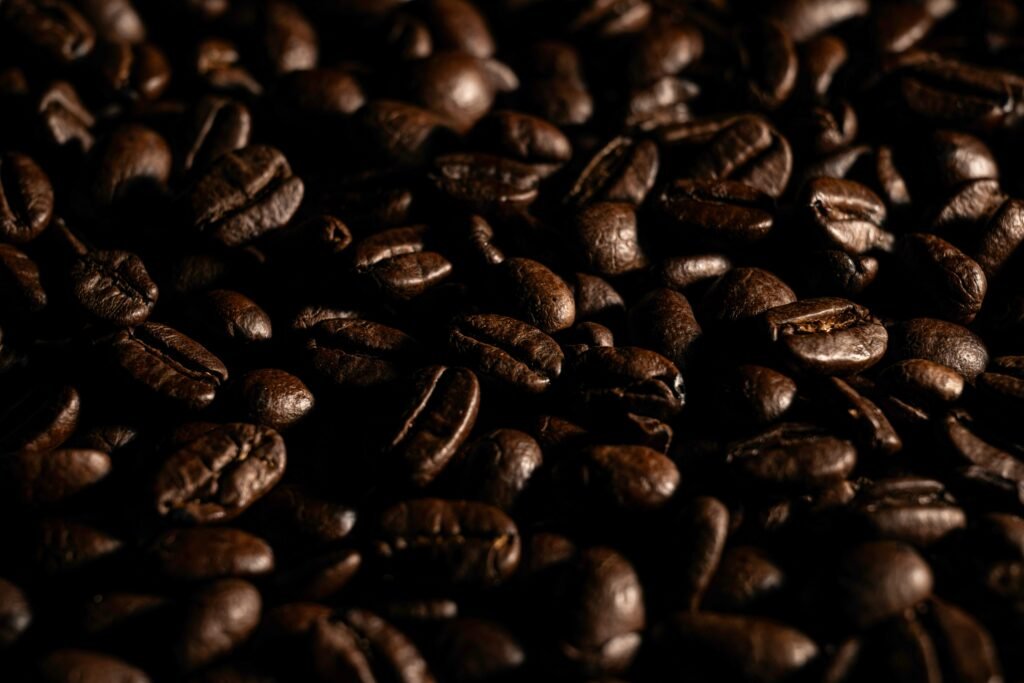
Indonesia. The very name conjures images of lush, verdant landscapes, of volcanic soils kissed by tropical rains, and of a rich cultural heritage that stretches back centuries. For us, as a community of coffee enthusiasts united by our search for exquisite beans, Indonesia has long been a siren’s call. This archipelago nation, a sprawling tapestry of islands, is not just a place of breathtaking beauty; it’s a powerhouse of coffee production, a source of some of the most sought-after green coffee on the planet. We’ve journeyed, virtually and sometimes in spirit, to the very heart of Indonesian coffee cultivation, and today, we want to share our discoveries with you. Forget the ordinary; we’re diving deep into the extraordinary world of Indonesian green coffee, uncovering its unique characteristics, the traditions that shape it, and what makes it so special for us.
Our exploration isn’t just about taste. It’s about understanding the journey of the bean, from the fertile volcanic slopes to the artisanal roasters who unlock its potential. It’s about celebrating the dedication of the farmers who meticulously cultivate these precious crops, the stewards of land passed down through generations. We believe that true appreciation for coffee begins at its source, and in Indonesia, that source is nothing short of magical. So, grab your favorite brewing equipment, settle in, and let us guide you through the captivating landscape of Indonesian green coffee. We’ll explore the diverse regions, the distinctive processing methods, and the reasons why these beans hold such a prominent place in our brewing pantheon.
The Volcanic Heartbeat: Why Indonesian Soil is Coffee’s Best Friend
When we seek out exceptional green coffee, we often find ourselves drawn to regions blessed with specific geological characteristics. Indonesia, with its position on the Pacific Ring of Fire, is a geographical wonder that translates directly into exceptional coffee. The volcanic soils found across many of its coffee-growing islands are exceptionally fertile, rich in minerals, and well-draining. These are the perfect conditions for coffee plants to thrive, producing beans with a depth and complexity of flavor that is truly remarkable.
The Gift of Minerals: A Symphony of Nutrients
We’ve learned that the high mineral content of Indonesian volcanic soil plays a crucial role in the development of coffee cherries. Elements like sulfur, phosphorus, and potassium, naturally present in abundance, are absorbed by the coffee plants. These minerals contribute to the structural integrity of the coffee bean, influencing its density and chemical composition. For us, this translates into a richer, more nuanced cup. We often detect notes of earthiness, a subtle minerality, and a deep, resonant sweetness that we associate with these geologically gifted regions. It’s a flavor profile that speaks directly of the land, a pure expression of the environment.
Drainage and Aeration: The Perfect Foundation for Root Health
Beyond mineral richness, volcanic soils typically offer excellent drainage and aeration. This is vital for coffee plant health. Waterlogging can lead to root rot and disease, hindering the plant’s ability to absorb nutrients and produce quality beans. The porous nature of volcanic soil allows excess water to drain away efficiently, while still retaining sufficient moisture for the plants. This healthy root system is fundamental to the plant’s vigor and its capacity to develop those desirable flavor precursors within the coffee cherry. We’ve observed that coffees from well-drained volcanic regions often exhibit a cleaner, more vibrant acidity, a testament to the healthy development of the bean.
Microclimates and Altitude: Crafting Unique Flavors
It’s not just the soil. The volcanic formation of many Indonesian islands also creates diverse microclimates. Varying altitudes, exposure to sunlight, and rainfall patterns all contribute to distinct growing conditions on different slopes and in different valleys. These microclimates allow for a wide range of coffee varietals and hybrids to flourish. We’re particularly fascinated by the impact of altitude. Higher elevations in Indonesia, often found on volcanic peaks, tend to produce denser beans with higher sugar content and more complex aromatic compounds. These are the beans that often yield the most profound aroma and the most intricate flavor profiles in our brews.
If you’re interested in importing green coffee from Indonesia, you may find valuable insights in this related article that discusses the various aspects of sourcing high-quality coffee beans from the region. The article provides information on the unique characteristics of Java Preanger green coffee, as well as tips on how to navigate the import process effectively. For more details, you can read the full article here: Importing Green Coffee from Indonesia.
Sumatra: The Enigmatic Gem of Indonesian Coffee
When we talk about Indonesian coffee, Sumatra inevitably comes to the forefront. This legendary island, the largest in Indonesia, is synonymous with some of the world’s most distinctive and sought-after green coffee beans. Its reputation is built on a unique terroir and processing methods that create a flavor profile unlike any other. We find ourselves consistently drawn to the boldness and complexity that characterize Sumatran coffees.
Gayo Highlands: Aromatic Treasures from the North
Our attention is often captured by the Gayo Highlands in northern Sumatra. Here, at altitudes often exceeding 1,500 meters, coffee plants benefit from cool temperatures and ample rainfall. The beans produced in this region are renowned for their intense aroma, often described as floral and spicy. We’ve experienced notes of jasmine, bergamot, and a pleasant earthiness that lingers on the palate. The body is typically full, and the acidity is bright yet balanced, creating a symphony of sensory delights in our cups. It’s a region that consistently delivers on complexity and aromatic richness.
Mandheling: The Full-Bodied, Earthy Classic
For many of us, Mandheling coffee is the quintessential Sumatran experience. Named after the Mandailing people of West Sumatra, these beans are celebrated for their heavy body, low acidity, and distinctive earthy, sometimes smoky, flavor notes. We often detect hints of dark chocolate, cedar, and even a touch of tobacco in Mandheling. This unique flavor profile is significantly influenced by a traditional processing method known as “wet-hulling” or Giling Basah. This process, deeply ingrained in Sumatran coffee culture, is a key factor in the distinctive characteristics of its beans.
The Art of Giling Basah: Unlocking Sumatran Uniqueness
The Giling Basah process, or wet-hulling, is a hallmark of Sumatran coffee production and a major reason for its distinct flavor profile. We understand that this method, while perhaps unconventional to some, is what imbues these beans with their characteristic body and earthy notes. It’s a fascinating interplay of tradition and process that we’ve come to respect and appreciate.
From Cherry to Parchment: The Initial Steps
The process begins after the coffee cherries are harvested. Unlike many other coffee-producing regions that immediately remove the fruit and process the bean with its parchment layer intact, Giling Basah takes a different route. After a brief period of pulping to remove the outer skin, the beans are still covered in a sticky mucilage and the parchment layer. This is a crucial point of divergence.
The Unique Hulling Stage: A Semidried Marvel
Instead of being dried to a specific moisture content with the parchment on, these beans are typically hulled at a much higher moisture content, often around 30-40%. This is where the “wet-hulling” aspect comes into play. The parchment is mechanically removed while the bean is still quite moist. This is a delicate stage; too much moisture and the beans can ferment inconsistently, too little and the hulling becomes difficult. The beans are then spread out to dry further, but now without the protective parchment layer, exposing the raw bean directly to the air. This direct exposure is believed to contribute significantly to the enzymatic changes that develop the characteristic earthy, woody, and sometimes spicy notes associated with Sumatran coffee.
The Impact on Flavor: Low Acidity and Heavy Body
We’ve observed a direct correlation between the Giling Basah process and the resulting cup profile. The higher moisture content at hulling and the subsequent drying directly influence the bean’s chemical structure. This process tends to break down certain organic acids, resulting in the characteristically low acidity that many coffee lovers, including ourselves, find so appealing in Sumatran coffees. Furthermore, the increased moisture absorption and evaporation during this stage contributes to the development of complex sugars and other flavor precursors, leading to the rich, full-bodied mouthfeel for which Mandheling and other Sumatran coffees are famed. It’s a testament to how processing can sculpt flavor as much as the terroir itself.
Beyond Sumatra: Exploring Java and Sulawesi’s Coffee Legacies
While Sumatra often steals the spotlight, our journey into Indonesian green coffee would be incomplete without acknowledging the significant contributions of other islands, particularly Java and Sulawesi. These regions, with their own distinct histories and terroirs, offer a captivating diversity of flavors that enrich our understanding of Indonesian coffee.
Java: A Historical Powerhouse with Unique Terroir
Java, the island from which coffee derives its name, holds a place of immense historical significance in the world of coffee. Dutch colonialists introduced coffee cultivation to Java in the late 17th century, and it quickly became a major export commodity. Today, Java continues to produce excellent coffees, often characterized by a smooth, mellow body and a sweet, mild flavor profile. We find Javans to be incredibly approachable and versatile, making them a staple in many of our blends.
The “Old Java” Legacy: Estates and Tradition
We are particularly intrigued by the legacy of Java’s historical coffee estates. Many of these large plantations, established during the colonial era, still operate today, preserving traditional cultivation and processing techniques. Coffees from these “old Java” estates often exhibit a classic profile: balanced, with gentle acidity and notes of cocoa and caramel. We appreciate the continuity of tradition here, the sense that each cup carries a piece of coffee history.
Modern Innovations on Old Lands
While tradition is important, we also observe a modern renaissance in Javanese coffee. Farmers are experimenting with new varietals and innovative processing methods, pushing the boundaries of what Javanese coffee can offer. We’ve encountered some exciting micro-lots from Java that showcase a brighter acidity and more complex fruit-forward notes, demonstrating Java’s ability to adapt and evolve while remaining true to its heritage.
Sulawesi: Island of Diversity and Intriguing Flavors
Sulawesi, formerly known as the Celebes, is an island of extraordinary geographical diversity, and this diversity is reflected in its coffee production. From its rugged mountains to its coastal plains, Sulawesi offers a wide range of microclimates, allowing for the cultivation of various coffee varietals. We find Sulawesi coffees to be consistently intriguing, often displaying a bright acidity and a complex spectrum of flavors.
Toraja: The High-Altitude Jewel
The Tana Toraja region in South Sulawesi is particularly renowned for its high-quality Arabica coffee. Grown at altitudes often above 1,200 meters, Torajan coffees are known for their vibrant acidity, full body, and complex flavor profiles. We often detect notes of citrus, berries, and sometimes even wine-like characteristics in a well-processed Torajan bean. The meticulous care taken by Torajan farmers in their cultivation and processing contributes to the exceptional quality of these beans.
Other Sulawesi Regions: A Spectrum of Taste
Beyond Toraja, other regions of Sulawesi also yield fascinating coffees. We’ve explored beans from regions like Gowa and Enrekang, which often offer a slightly different flavor emphasis, perhaps showcasing more chocolatey or nutty undertones. The sheer diversity within Sulawesi means that there’s always something new and exciting to discover for us coffee explorers.
If you’re considering importing green coffee from Indonesia, you might find valuable insights in a related article that discusses the benefits of sourcing fair trade coffee. This piece highlights the unique qualities of Java Preanger coffee and the ethical practices involved in its production. For more information, you can read the full article on fair trade Java Preanger coffee, which offers a comprehensive overview of how to ensure quality and sustainability in your coffee imports.
Why We Covet Indonesian Green Coffee: A Multi-Faceted Appeal
For us, the allure of Indonesian green coffee is not a singular entity; it’s a multifaceted appeal that resonates deeply with our passion for exceptional coffee. It’s the culmination of environmental magic, human dedication, and time-honored traditions that collectively create beans of extraordinary character and quality. We find ourselves continually drawn back to this archipelago for a variety of compelling reasons.
Unparalleled Flavor Complexity and Diversity
One of the primary draws for us is the sheer complexity and diversity of flavors found in Indonesian green coffee. From the earthy, bold profiles of Sumatra to the mellow sweetness of Java and the vibrant acidity of Sulawesi, each region offers a distinct taste experience. This variety allows us to explore a wide spectrum of sensory sensations, catering to different preferences and moods. We can find a coffee that’s perfect for a bold morning cup or a delicate, nuanced afternoon brew. The ability to find such distinct yet equally compelling profiles within a single country is a constant source of delight.
The Story of Terroir and Tradition
We appreciate that Indonesian coffee is deeply intertwined with its terroir and the traditions of its people. The volcanic soils, the unique microclimates, and the centuries-old farming practices all contribute to the distinctive character of these beans. When we brew an Indonesian coffee, we’re not just tasting a beverage; we’re experiencing a narrative – the story of the land, the hard work of the farmers, and the cultural heritage that shapes its production. This connection to origin adds a layer of richness to our coffee appreciation.
The Impact of Distinctive Processing Methods
We are particularly fascinated by the influence of unique processing methods, such as Sumatra’s Giling Basah. These methods, developed over generations, are crucial in shaping the final flavor profile. Understanding the “why” behind these processes, and how they contribute to the low acidity and heavy body of Sumatran beans, deepens our appreciation for the artistry involved. It’s this combination of natural advantages and human ingenuity that makes Indonesian coffee so special.
A World of Opportunity for Roasters and Brewers
For us, as brewers and often as roasters ourselves, Indonesian green coffee represents a world of opportunity. The diverse flavor profiles provide an exceptional canvas for roasting experimentation. We can coax out the subtle nuances of a Gayo bean or highlight the rich chocolate notes of a Mandheling. The quality and consistency of many Indonesian green coffees also make them reliable choices for creating exceptional blends or showcasing single-origin profiles. We see these beans not just as raw ingredients, but as potential masterpieces waiting to be unveiled.
Embarking on Your Indonesian Green Coffee Adventure
Our exploration of Indonesian green coffee has been a deeply rewarding experience, one that continues to unfold with every new bean we encounter. For those of you who share our passion for exceptional coffee, we wholeheartedly encourage you to embark on your own Indonesian green coffee adventure. The journey is as rich and rewarding as the destination.
Where to Source High-Quality Indonesian Green Beans
The first step is to find reputable sources for these coveted beans. We’ve found that specialty coffee importers and roasters who emphasize direct trade relationships are often the best avenues. Look for companies that clearly indicate the origin of their beans, detailing the specific island, region, and sometimes even the farm or cooperative. Many online retailers and independent coffee shops dedicated to single-origin coffees are excellent starting points. Don’t hesitate to ask questions about the origin, processing method, and flavor profile – knowledgeable vendors are eager to share their passion.
Understanding the Labels: Decoding Origin and Processing
When selecting Indonesian green coffee, pay close attention to the labeling. Beyond just “Indonesia,” look for specifics like “Sumatra Mandheling,” “Gayo Aceh,” “Sulawesi Toraja,” or “Java Estate.” Understanding the processing method, whether it’s Giling Basah, washed, or natural, will also provide significant clues about the expected flavor profile. We’ve learned that reading tasting notes provided by the source can be a helpful guide, but don’t be afraid to experiment and develop your own palate.
Brewing Indonesian Beans: Tips for the Perfect Cup
Once you have your chosen green beans, the art of brewing comes into play. We’ve found that different Indonesian coffees lend themselves to various brewing methods. For the fuller-bodied Sumatran beans, a French press or Aeropress can beautifully showcase their richness and depth. For the brighter, more complex beans from Sulawesi, pour-over methods like V60 or Chemex can highlight their delicate acidity and aromatic nuances. However, the beauty of coffee lies in personal preference, so we encourage experimentation. Taste is subjective, and what we find delightful, you might tweak to your own perfection.
Our voyage into the world of Indonesian green coffee has been nothing short of extraordinary. It’s a testament to the power of nature’s bounty, the dedication of its people, and the enduring magic that coffee brings into our lives. We invite you to join us in celebrating and savoring the exceptional green coffee that Indonesia so generously offers. The adventure awaits, one delicious cup at a time.
FAQs
1. What is green coffee?
Green coffee refers to unroasted coffee beans that are harvested from coffee plants. These beans are raw and have not been roasted, which gives them a green color and a different flavor profile compared to roasted coffee beans.
2. Why import green coffee from Indonesia?
Indonesia is one of the largest producers of coffee in the world, known for its high-quality Arabica and Robusta coffee beans. The country’s diverse climate and fertile soil create ideal conditions for growing coffee, resulting in a wide variety of flavors and profiles. Additionally, Indonesia’s coffee industry has a strong focus on sustainable and environmentally friendly practices, making it an attractive source for green coffee imports.
3. What are the benefits of importing green coffee from Indonesia?
Importing green coffee from Indonesia allows buyers to access a wide range of high-quality coffee beans with unique flavor profiles. Additionally, Indonesia’s commitment to sustainable and environmentally friendly coffee production means that buyers can support ethical and eco-friendly practices by sourcing their green coffee from the country.
4. What are the challenges of importing green coffee from Indonesia?
Challenges of importing green coffee from Indonesia may include navigating import regulations and customs procedures, ensuring the quality and consistency of the coffee beans, and managing logistics and transportation. Additionally, buyers may need to consider factors such as currency exchange rates and international trade agreements when importing green coffee from Indonesia.
5. How can one import green coffee from Indonesia?
Importing green coffee from Indonesia involves finding a reputable supplier or exporter, negotiating terms and pricing, arranging for quality inspections, and managing the logistics of shipping and transportation. It is important to work with experienced importers or agents who are familiar with the process of importing agricultural products and can help navigate the complexities of international trade.