
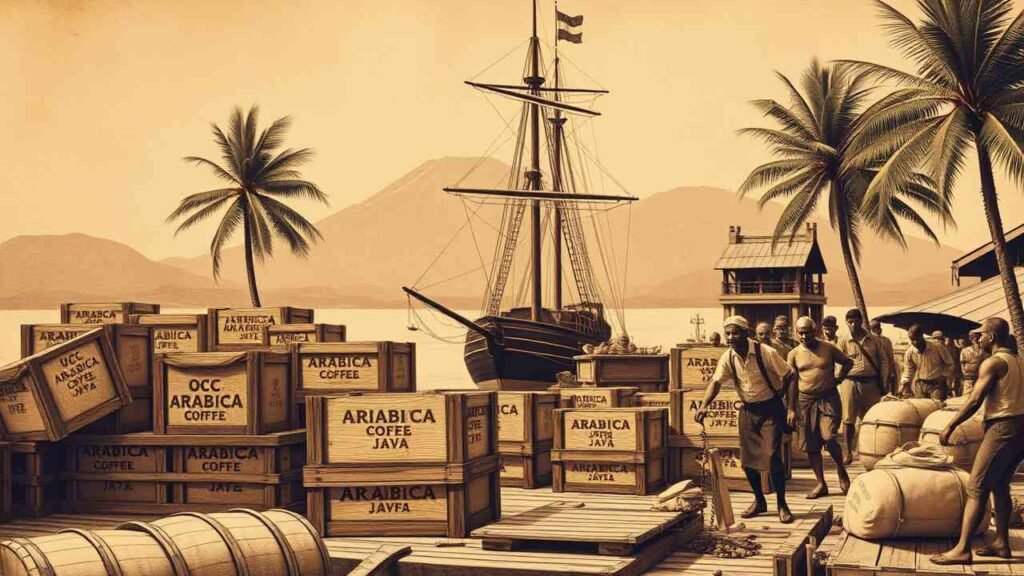
The global coffee trade represents one of the world’s most valuable commodity markets, with arabica coffee beans for import accounting for approximately 60-70% of all coffee production worldwide. For businesses looking to enter the coffee import market or expand their existing operations, understanding the intricacies of arabica bean sourcing, quality assessment, and international trade regulations is crucial for success.
Whether you’re a roastery seeking premium beans, a distributor building supply chains, or an entrepreneur exploring coffee import opportunities, navigating the complex world of arabica coffee imports requires expertise and reliable partnerships. Established importers like javapreanger.com have built extensive networks with coffee farmers and cooperatives across major growing regions, providing valuable insights into market trends, quality standards, and sustainable sourcing practices that can make the difference between a successful import venture and costly mistakes.
Understanding Arabica Coffee Beans
Arabica coffee (Coffea arabica) represents the premium segment of the global coffee market, distinguished by its superior flavor profile, lower caffeine content, and more complex growing requirements compared to robusta varieties. For importers, arabica coffee beans for import offer higher profit margins and greater market appeal, particularly in specialty coffee segments.
Key Characteristics of Arabica Beans
Flavor Profile and Quality
- Complex flavor notes ranging from fruity and floral to nutty and chocolatey
- Lower caffeine content (1.2-1.5%) compared to robusta (2.2-2.7%)
- Higher sugar content contributing to sweetness and body
- More pronounced acidity that adds brightness to the cup
Physical Characteristics
- Oval-shaped beans with a curved crease
- Larger size compared to robusta beans
- More fragile structure requiring careful handling during processing and transport
- Color variations depending on processing method and origin
Growing Requirements
- Altitude requirements: 600-2,200 meters above sea level
- Temperature range: 15-24°C (59-75°F)
- Annual rainfall: 1,200-2,200mm
- Shade requirements for optimal growth
Market Significance
The arabica coffee market represents approximately $15-20 billion annually in global trade value, with consumption continuing to grow at 2-3% per year. Premium arabica varieties can command prices 20-50% higher than commercial grades, making quality sourcing a critical factor for import success.
Major Arabica Growing Regions for Import
Understanding the characteristics and harvest seasons of different arabica-producing regions is essential for developing a reliable import strategy. Each region offers distinct flavor profiles, quality levels, and market positioning opportunities.
Central and South America
Brazil
- World’s largest arabica producer (35-40% of global production)
- Primary regions: Minas Gerais, São Paulo, Espírito Santo
- Harvest season: April-September
- Flavor profile: Nutty, chocolatey, low acidity
- Best for: Blending, commercial operations, consistent supply
Colombia
- Premium arabica reputation with strong brand recognition
- Key regions: Huila, Nariño, Tolima, Cauca
- Two harvest seasons: Main crop (October-February), Mitaca (April-August)
- Flavor profile: Balanced, medium body, caramel notes
- Best for: Single-origin offerings, specialty market
Guatemala
- Eight distinct coffee regions with varied microclimates
- Notable regions: Antigua, Huehuetenango, Cobán
- Harvest season: December-April
- Flavor profile: Full body, complex acidity, spice notes
- Best for: Premium specialty market, direct trade relationships
Costa Rica
- Focus on high-altitude, high-quality arabica production
- Key regions: Tarrazú, Central Valley, West Valley
- Harvest season: November-March
- Flavor profile: Bright acidity, citrus notes, clean finish
- Best for: Specialty roasters, premium pricing
Africa
Ethiopia
- Origin of arabica coffee with incredible genetic diversity
- Regions: Sidamo, Yirgacheffe, Harrar, Kaffa
- Harvest seasons: October-February (main), April-June (secondary)
- Flavor profile: Floral, fruity, wine-like, complex
- Best for: Specialty market, unique flavor profiles
Kenya
- Renowned for bright acidity and complex flavors
- Key regions: Central Kenya, Nyeri, Kirinyaga
- Harvest seasons: Main crop (October-January), Fly crop (June-August)
- Flavor profile: Black currant, wine-like acidity, full body
- Best for: Premium specialty market, auction purchases
Rwanda
- Emerging specialty coffee origin with improving quality
- Primary region: Bourbon variety at high altitudes
- Harvest season: March-July
- Flavor profile: Bright acidity, floral notes, medium body
- Best for: Specialty market, sustainability-focused buyers
Asia-Pacific
Indonesia
- Diverse archipelago with multiple growing regions
- Key regions: Sumatra, Java, Sulawesi, Flores
- Harvest seasons: Vary by region (April-September primary)
- Flavor profile: Earthy, herbal, full body, low acidity
- Best for: Espresso blends, unique processing methods
Papua New Guinea
- High-altitude arabica with distinct flavor characteristics
- Primary regions: Western Highlands, Eastern Highlands
- Harvest season: April-September
- Flavor profile: Full body, low acidity, fruity notes
- Best for: Specialty market, estate coffees
| Region | Production Volume (million bags) | Harvest Season | Typical Price Premium | Key Characteristics |
|---|---|---|---|---|
| Brazil | 35-45 | Apr-Sep | Baseline | High volume, consistency |
| Colombia | 12-14 | Oct-Feb, Apr-Aug | 10-20% | Brand recognition, quality |
| Ethiopia | 7-8 | Oct-Feb | 15-30% | Unique flavors, diversity |
| Guatemala | 3-4 | Dec-Apr | 20-40% | Complexity, altitude |
| Kenya | 0.8-1.0 | Oct-Jan, Jun-Aug | 25-50% | Bright acidity, auction system |
Quality Grading and Classification Systems
Understanding quality grading systems is crucial for arabica coffee beans for import, as these classifications directly impact pricing, market positioning, and customer satisfaction. Different producing countries employ various grading methods, making standardization knowledge essential for importers.
International Grading Standards
Specialty Coffee Association (SCA) Standards
- Cupping score range: 0-100 points
- Specialty grade: 80+ points
- Premium grade: 75-79.99 points
- Exchange grade: Below 75 points
- Defect assessment per 350g sample
Physical Grading Criteria
- Screen size: Measured in 64ths of an inch
- Moisture content: Optimal range 10-12%
- Water activity: Below 0.65 for storage stability
- Defect count: Primary and secondary defects per sample
Country-Specific Grading Systems
Colombian Grading
- Supremo: Screen size 17+ (premium grade)
- Excelso: Screen size 15-16 (standard export grade)
- UGQ (Usually Good Quality): Commercial grade
- Moisture content: Maximum 12%
Brazilian Grading
- NY (New York) system: NY2 to NY8 (lower numbers = higher quality)
- Defect-based system counting imperfections
- Screen size classifications: 17/18, 16/17, 15/16
- Cup quality: Strictly Soft, Soft, Hard, Rioy
Ethiopian Grading
- Grade 1: Specialty (0-3 defects per 300g)
- Grade 2: Premium (4-12 defects per 300g)
- Grade 3: Exchange (13-25 defects per 300g)
- Washed vs. Natural processing classifications
Guatemalan Grading
- Strictly Hard Bean (SHB): Grown above 4,500 feet
- Hard Bean (HB): Grown between 4,000-4,500 feet
- Semi Hard Bean (SH): Grown between 3,500-4,000 feet
- Extra Prime Washed (EPW): Lower altitude commercial grade
Quality Assessment Checklist for Importers
Visual Inspection
- Bean uniformity and color consistency
- Presence of defects (broken, chipped, discolored beans)
- Foreign matter content
- Insect damage assessment
- Moisture level indicators
Aromatic Evaluation
- Green coffee aroma intensity
- Off-odors or contamination detection
- Processing method aromatics
- Storage condition indicators
Sample Roasting and Cupping
- Roast development assessment
- Flavor clarity and balance
- Body and mouthfeel evaluation
- Acidity characteristics
- Aftertaste quality
Import Documentation and Regulations
Successfully importing arabica coffee beans requires thorough understanding of international trade regulations, documentation requirements, and compliance standards. Proper documentation ensures smooth customs clearance and protects against legal complications.
Essential Import Documentation
Commercial Documents
- Commercial Invoice: Detailed description, quantities, values
- Packing List: Precise contents of each container/shipment
- Bill of Lading or Airway Bill: Transportation contract and receipt
- Certificate of Origin: Country of production verification
- Weight Certificate: Certified weight attestation
Quality and Safety Certificates
- Phytosanitary Certificate: Plant health and pest-free attestation
- Quality Certificate: Grade and quality verification
- Fumigation Certificate: If treatment required
- Organic Certification: For certified organic imports
- Fair Trade Certification: If applicable
Import-Specific Requirements
- Import License: Required in many countries
- Pre-shipment Inspection Certificate: Some markets require
- Laboratory Analysis Report: Pesticide residue, moisture content
- Insurance Certificate: Cargo protection documentation
- Bank Documents: Letters of credit, payment confirmations
Regulatory Compliance by Market
United States
- FDA Food Facility Registration required for importers
- Prior Notice requirement (2-15 days depending on transport)
- Bioterrorism Act compliance
- FSIS inspection for certain processed coffee products
- Customs and Border Protection (CBP) entry procedures
European Union
- HACCP compliance requirements
- Maximum Residue Limits (MRL) for pesticides
- Traceability documentation
- EORI number registration
- EU Import License for certain origins
Japan
- Food Sanitation Law compliance
- Plant Quarantine requirements
- Pesticide residue testing
- Import notification procedure
- JAS organic standards (if applicable)
Canada
- Canadian Food Inspection Agency (CFIA) requirements
- Safe Food for Canadians Regulations
- Pest risk assessment
- Import permit requirements
- Organic certification standards
Common Compliance Challenges
Documentation Discrepancies
- Inconsistent product descriptions across documents
- Incorrect quantity or weight declarations
- Missing or expired certificates
- Inadequate origin documentation
Quality Standard Violations
- Pesticide residue exceeding limits
- Moisture content violations
- Contamination issues
- Grade misrepresentation
Timing and Logistics Issues
- Late documentation submission
- Certificate expiration during transit
- Inadequate insurance coverage
- Port congestion and delays
Pricing Factors and Market Dynamics
The arabica coffee beans for import market operates within a complex pricing ecosystem influenced by multiple factors ranging from global commodity markets to local quality premiums. Understanding these dynamics is essential for successful import operations and profit optimization.
Global Market Pricing Structure
Coffee “C” Market (ICE Futures)
- Benchmark for arabica coffee pricing worldwide
- Traded in US cents per pound
- Standard contract: 37,500 pounds (approximately 250 bags)
- Price volatility influenced by weather, politics, economic factors
Differential Pricing System
- Base price: “C” market price
- Origin differentials: Premium or discount to “C” price
- Quality premiums: Added for specialty grades
- Processing premiums: Washed vs. natural processing
- Certification premiums: Organic, Fair Trade, etc.
Key Price Influencing Factors
Supply-Side Factors
- Weather conditions in major producing regions
- Harvest yields and crop forecasts
- Processing capacity and infrastructure
- Transportation and logistics costs
- Currency exchange rates in producing countries
Demand-Side Factors
- Global coffee consumption trends
- Specialty coffee market growth
- Roaster inventory levels
- Economic conditions in consuming countries
- Seasonal demand patterns
Market Dynamics
- Speculative trading activity
- Hedge fund and institutional investment
- Producer retention strategies
- Government intervention and policies
- Global economic uncertainty
Regional Price Premiums and Discounts
| Origin | Typical Differential (¢/lb) | Factors Affecting Premium |
|---|---|---|
| Colombia Supremo | +25 to +45 | Brand recognition, consistent quality |
| Guatemala SHB | +30 to +60 | Altitude, complexity, limited supply |
| Ethiopia Sidamo | +35 to +80 | Unique flavors, specialty demand |
| Kenya AA | +40 to +100 | Auction system, bright acidity |
| Costa Rica SHB | +25 to +50 | Environmental practices, quality |
| Brazil Santos | -10 to +15 | Volume availability, consistency |
| Honduras SHG | +10 to +30 | Improving quality, value positioning |
Specialty Coffee Premiums
Quality Score Premiums
- 80-84.99 points: $0.50-1.50/lb premium
- 85-89.99 points: $1.50-4.00/lb premium
- 90+ points: $4.00-15.00+/lb premium
Certification Premiums
- Organic: $0.20-0.40/lb
- Fair Trade: $0.15-0.30/lb
- Rainforest Alliance: $0.05-0.15/lb
- Direct Trade: Variable, $0.50-2.00+/lb
Processing Method Premiums
- Honey/Pulped Natural: $0.10-0.30/lb
- Experimental Fermentation: $0.30-1.00+/lb
- Anaerobic Processing: $0.50-2.00+/lb
Import Cost Calculations
Total Landed Cost Components
- FOB (Free on Board) price per pound
- Ocean freight costs
- Marine insurance (typically 0.1-0.3% of cargo value)
- Import duties and taxes
- Port handling and storage fees
- Transportation to final destination
- Financing costs
Example Cost Breakdown (per pound)
- FOB Price: $3.50
- Freight: $0.15
- Insurance: $0.02
- Duties (varies by country): $0.05-0.15
- Port/handling: $0.08
- Total Landed Cost: $3.80-3.90
Seasonal Availability and Harvest Calendars
Strategic planning for arabica coffee beans for import requires thorough understanding of global harvest calendars and seasonal availability patterns. This knowledge enables importers to optimize inventory management, secure better pricing, and ensure consistent supply throughout the year.
Global Harvest Calendar Overview
Understanding when different origins harvest their coffee allows importers to plan purchases strategically, taking advantage of fresh crop availability and optimal pricing windows.
Northern Hemisphere Harvest Season (October-March)
- Mexico: November-March
- Guatemala: December-April
- Honduras: December-April
- Nicaragua: December-April
- Ethiopia: October-February
- Yemen: October-December
Southern Hemisphere Harvest Season (April-September)
- Brazil: April-September
- Colombia: April-August (Mitaca), October-February (Main)
- Peru: April-September
- Bolivia: July-November
- Kenya: October-January (Main), June-August (Fly)
Equatorial Regions (Year-round with peaks)
- Indonesia: April-September (primary)
- Papua New Guinea: April-September
- Uganda: November-February, June-August
Fresh Crop vs. Past Crop Considerations
Fresh Crop Benefits
- Optimal moisture content and storage life
- Peak flavor characteristics
- Lower risk of quality degradation
- Premium pricing opportunities for specialty buyers
Past Crop Characteristics
- Potential flavor mellowing or degradation
- Increased risk of storage defects
- Discounted pricing opportunities
- Reduced availability of top grades
Supply Chain Timing Strategies
Optimal Purchase Windows
- New crop arrival: 2-4 months post-harvest
- Peak quality period: 6-12 months from harvest
- Value opportunities: 12-18 months from harvest
- Risk period: 18+ months from harvest
Container Scheduling
- Plan shipments 2-3 months in advance
- Account for processing and export preparation time
- Consider port congestion and seasonal shipping delays
- Align arrivals with inventory needs and cash flow
Quality Timeline Considerations
Processing and Export Preparation
- Wet processing: 2-4 weeks
- Dry processing: 4-8 weeks
- Drying and stabilization: 2-6 weeks
- Milling and sorting: 2-4 weeks
- Export preparation: 2-4 weeks
Optimal Quality Windows by Origin
- Brazilian arabica: Available year-round, peak quality July-February
- Colombian arabica: Fresh crop available continuously due to dual harvests
- Central American: Best quality January-August arrivals
- Ethiopian: Fresh crop available January-June
- Kenyan: Main crop quality peaks February-May
Inventory Management Strategies
Portfolio Diversification
- Maintain 3-4 month forward inventory
- Balance fresh crop purchases with value opportunities
- Diversify origins to ensure year-round availability
- Plan for seasonal demand fluctuations
Storage Duration Guidelines
- Maximum recommended storage: 12-18 months
- Climate-controlled environment essential
- Regular quality monitoring and rotation
- First-in, first-out (FIFO) inventory management
Quality Assessment and Cupping
Professional quality assessment is fundamental to successful arabica coffee beans for import operations. Systematic evaluation protocols ensure consistency, help justify premium pricing, and minimize quality-related risks in international transactions.
Professional Cupping Protocol
SCA Cupping Standards The Specialty Coffee Association’s cupping protocol provides the industry standard for professional coffee evaluation:
Setup Requirements
- Cupping bowls: 7-9 oz capacity, wide mouth
- Water temperature: 200°F ± 2°F (93°C ± 1°C)
- Coffee-to-water ratio: 8.25g coffee to 150ml water
- Grind size: Slightly coarser than drip coffee
- Timing: 4-minute steeping time
Evaluation Criteria (0-10 point scale)
- Fragrance/Aroma (up to 10 points): Dry and wet aromatics
- Flavor (up to 10 points): Overall flavor impression
- Aftertaste (up to 10 points): Length and quality of finish
- Acidity (up to 10 points): Brightness and quality of acidity
- Body (up to 10 points): Tactile feeling and weight
- Balance (up to 10 points): How components work together
- Uniformity (up to 10 points): Consistency across cups
- Clean Cup (up to 10 points): Absence of defects
- Sweetness (up to 10 points): Pleasing fullness and sweetness
- Overall (up to 10 points): Holistic evaluation
Pre-Purchase Quality Assessment
Sample Evaluation Process
- Request representative samples (minimum 12 oz per lot)
- Verify sample integrity and proper shipping
- Conduct cupping within 48 hours of roasting
- Document findings with detailed scoresheets
- Compare multiple lots from same origin
Green Coffee Analysis
- Visual inspection for defects and uniformity
- Moisture content measurement (optimal 10-12%)
- Water activity testing (below 0.65 for stability)
- Bean size and screen analysis
- Color consistency evaluation
Sample Roasting Protocol
- Light to medium roast development
- Consistent roasting parameters across samples
- Cool immediately after roasting
- Rest 8-24 hours before cupping
- Document roast profile and development
Quality Defects and Red Flags
Primary Defects (Major impact on cup quality)
- Full black beans
- Full sour beans
- Dried cherry/pod
- Fungus damage
- Foreign matter
- Severe insect damage
Secondary Defects (Minor cup impact)
- Partial black/sour beans
- Parchment pieces
- Hull/husk fragments
- Broken/chipped beans
- Shell beans
- Insect holes
Cup Defects
- Dirty/earthy flavors
- Mold/mustiness
- Overfermentation
- Chemical contamination
- Processing defects
- Storage damage
Building Quality Relationships
Supplier Qualification
- Visit origin facilities when possible
- Establish quality protocols with suppliers
- Implement pre-shipment sample approval process
- Develop clear quality specifications and tolerances
- Create feedback loops for continuous improvement
Quality Documentation
- Maintain detailed cupping records
- Track quality trends by origin and supplier
- Document seasonal quality variations
- Create quality reports for customers
- Establish traceability systems
Sustainable and Ethical Sourcing
The modern arabica coffee beans for import market increasingly demands transparency, sustainability, and ethical sourcing practices. Importers who prioritize these values can access premium market segments, build stronger supplier relationships, and meet growing consumer expectations.
Sustainability Certification Programs
Organic Certification
- USDA Organic, EU Organic, JAS Organic standards
- Prohibition of synthetic pesticides and fertilizers
- Soil health and biodiversity requirements
- Certification body verification and annual inspections
- Premium potential: $0.20-0.40 per pound
Fair Trade Certification
- Minimum price guarantees for farmers
- Community development premiums
- Democratic organization requirements
- Environmental protection standards
- Long-term trading relationships
Rainforest Alliance/UTZ Certification
- Environmental conservation focus
- Social responsibility standards
- Economic viability requirements
- Continuous improvement methodology
- Supply chain transparency
4C (Common Code for the Coffee Community)
- Baseline sustainability standards
- Economic, social, and environmental pillars
- Farmer training and capacity building
- Risk assessment and mitigation
- Entry-level certification option
Direct Trade and Relationship Building
Direct Trade Benefits
- Higher farmer payments (often 20-50% above commodity prices)
- Quality improvement through direct feedback
- Supply chain transparency and traceability
- Long-term relationship stability
- Unique product differentiation
Relationship Development Strategies
- Annual origin visits and farm assessments
- Multi-year purchase agreements
- Pre-financing and harvest support
- Technical assistance and training programs
- Quality improvement partnerships
Transparency and Traceability
- Farm-level traceability systems
- GPS mapping and farm records
- Processing method documentation
- Transportation and storage tracking
- Chain of custody verification
Environmental Impact Considerations
Climate Change Adaptation
- Support for climate-resilient farming practices
- Shade tree preservation and reforestation
- Water conservation and management
- Soil health improvement programs
- Biodiversity conservation initiatives
Carbon Footprint Reduction
- Transportation optimization
- Packaging material selection
- Energy-efficient processing
- Renewable energy adoption
- Carbon offset programs
Water Resource Management
- Water usage optimization in processing
- Wastewater treatment systems
- Water quality protection
- Community water access projects
- Drought resilience planning
Social Responsibility Programs
Farmer Support Initiatives
- Education and training programs
- Healthcare access improvements
- Infrastructure development projects
- Women’s empowerment programs
- Youth engagement and succession planning
Community Development
- School construction and education support
- Healthcare facility improvements
- Clean water access projects
- Economic diversification programs
- Cultural preservation initiatives
Labor Standards
- Fair wage implementation
- Safe working condition requirements
- Child labor prohibition and monitoring
- Gender equality promotion
- Worker rights protection
Market Premium and Consumer Demand
Premium Market Segments
- Specialty coffee shops and roasters
- Conscious consumer retail markets
- Corporate social responsibility programs
- Hotel and restaurant premium offerings
- Online direct-to-consumer sales
Marketing and Communication
- Origin story development and storytelling
- Farmer profile creation and sharing
- Impact measurement and reporting
- Certification logo utilization
- Social media engagement strategies
Consumer Education
- Sustainability impact explanation
- Price premium justification
- Quality differentiation messaging
- Ethical sourcing story development
- Brand value proposition alignment
Storage and Transportation Considerations
Proper storage and transportation of arabica coffee beans for import is critical for maintaining quality, preventing deterioration, and ensuring product integrity throughout the supply chain. Understanding best practices can prevent significant financial losses and quality issues.
Optimal Storage Conditions
Environmental Requirements
- Temperature: 60-70°F (15-21°C) ideal, avoid temperature fluctuations
- Relative Humidity: 55-65% to prevent moisture absorption or excessive drying
- Air Circulation: Adequate ventilation to prevent condensation and mold
- Light Exposure: Minimal light to prevent flavor degradation
- Odor Control: Separate from strong-smelling products
Storage Duration Guidelines
- Fresh Crop: 12-18 months maximum under optimal conditions
- Past Crop: 6-12 months maximum with careful monitoring
- Quality Monitoring: Monthly cupping and moisture testing
- Rotation Schedule: First-in, first-out (FIFO) inventory management
Container and Packaging Options
- Jute Bags: Traditional, breathable, requires climate control
- GrainPro Bags: Moisture and oxygen barrier, extended shelf life
- Vacuum Packaging: Maximum protection, higher cost
- Bulk Storage: Silos for large volumes, requires specialized handling
Transportation Best Practices
Ocean Freight Considerations
- Container Types: 20ft/40ft dry containers, controlled atmosphere options
- Loading Procedures: Proper weight distribution and securing
- Ventilation: Adequate air circulation during transit
- Moisture Control: Desiccants and moisture-absorbing materials
- Documentation: Detailed loading and condition reports
Quality Protection During Transit
- Temperature Monitoring: Data loggers for temperature tracking
- Condensation Prevention: Proper container preparation and ventilation
- Contamination Avoidance: Clean containers and proper separation
- Shock Protection: Proper stacking and securing methods
- Route Optimization: Minimize transit time and temperature exposure
Transit Time Considerations by Route
- South America to US East Coast: 7-14 days
- Central America to US Gulf/West Coast: 5-10 days
- East Africa to Europe: 14-21 days
- Southeast Asia to US West Coast: 14-18 days
- Brazil to Asia: 21-28 days
Quality Deterioration Factors
Moisture-Related Issues
- Moisture Gain: Can lead to mold, off-flavors, and quality degradation
- Moisture Loss: Results in brittleness and weight loss
- Condensation: Creates localized moisture problems and mold growth
- Prevention: Proper packaging, climate control, and monitoring
Temperature Impact
- High Temperatures: Accelerate aging and flavor loss
- Temperature Fluctuations: Cause condensation and expansion/contraction
- Extreme Cold: Can cause cellular damage in extreme cases
- Control Methods: Insulated containers, climate monitoring
Time-Related Degradation
- Flavor Fade: Gradual loss of origin characteristics
- Staleness Development: Musty, flat flavors emerge
- Oil Rancidity: Lipid oxidation in prolonged storage
- Mitigation: Proper packaging, rotation, and inventory management
Insurance and Risk Management
Marine Insurance Coverage
- All-Risk Coverage: Comprehensive protection against physical damage
- General Average: Shared loss protection in maritime incidents
- Particular Average: Individual shipment damage coverage
- War and Strike Coverage: Additional protection for political risks
Documentation for Claims
- Condition Surveys: Professional inspection reports
- Temperature Records: Data logger information
- Sampling Protocols: Representative samples for analysis
- Photography: Visual documentation of damage or conditions
Risk Mitigation Strategies
- Supplier Agreements: Clear quality and delivery terms
- Inspection Services: Third-party quality verification
- Contingency Planning: Alternative supplier relationships
- Financial Protection: Appropriate insurance coverage levels
Frequently Asked Questions
General Import Questions
Q: What is the minimum order quantity for arabica coffee bean imports? A: Minimum order quantities vary by supplier and origin, but typically range from 1-10 containers (19-190 metric tons). Smaller specialty lots may be available in 150-300 bag quantities, while commercial operations often require full container loads for optimal pricing.
Q: How long does the import process take from order to delivery? A: The complete process typically takes 60-120 days, including:
- Order processing and contract finalization: 1-2 weeks
- Production and processing: 2-6 weeks
- Export documentation and shipping: 2-4 weeks
- Ocean transit: 1-4 weeks depending on origin
- Customs clearance and inland transport: 3-7 days
Q: What are the typical payment terms for coffee imports? A: Common payment structures include:
- Letter of Credit (LC): Most secure for both parties
- Cash Against Documents (CAD): Payment upon document presentation
- Open Account: 30-60 day terms for established relationships
- Prepayment: 10-30% deposit with balance before shipment
Quality and Sourcing Questions
Q: How can I verify the quality of coffee before purchasing? A: Implement a comprehensive quality verification process:
- Request representative samples (minimum 12 oz per lot)
- Conduct professional cupping evaluations
- Review certificates of analysis and quality reports
- Consider pre-shipment inspection services
- Establish clear quality specifications in contracts
Q: What’s the difference between Fair Trade, Organic, and Direct Trade? A: Each certification addresses different aspects:
- Fair Trade: Focuses on minimum pricing, community development, and democratic organization
- Organic: Prohibits synthetic chemicals and requires natural farming practices
- Direct Trade: Emphasizes direct relationships, transparency, and often higher farmer payments (not a formal certification)
Q: How do I find reliable coffee suppliers and exporters? A: Effective supplier identification strategies include:
- Attend international coffee trade shows and conventions
- Partner with established importers with proven supplier networks
- Contact coffee associations in producing countries
- Utilize trade platforms and B2B coffee marketplaces
- Conduct origin visits to meet farmers and cooperatives directly
Regulatory and Compliance Questions
Q: What certifications are required for importing coffee into different markets? A: Requirements vary by destination country:
- United States: FDA registration, prior notice, phytosanitary certificates
- European Union: HACCP compliance, EORI registration, maximum residue limit compliance
- Japan: Plant quarantine certificates, food sanitation law compliance
- Canada: CFIA requirements, import permits for certain origins
Q: How are import duties calculated for coffee? A: Import duty calculation factors include:
- Product classification under Harmonized System (HS) codes
- Country of origin and applicable trade agreements
- Declared customs value (CIF – Cost, Insurance, Freight)
- Additional taxes and fees specific to destination country
Q: What happens if my coffee shipment fails quality inspection? A: Options for addressing quality failures:
- Negotiate price adjustments with supplier
- Request replacement shipment if under warranty
- Utilize insurance coverage for quality claims
- Consider re-processing or blending to salvage value
- Implement stronger quality controls for future shipments
Market and Pricing Questions
Q: How do coffee commodity prices affect import costs? A: Coffee commodity prices impact imports through:
- ICE arabica futures provide baseline pricing
- Origin differentials add premiums or discounts
- Quality and certification premiums apply additionally
- Currency fluctuations affect final landed costs
- Market volatility requires active price risk management
Q: When is the best time to purchase coffee for optimal pricing? A: Strategic purchasing timing considerations:
- New crop arrival: Often offers best quality at competitive prices
- Seasonal low demand periods: January-March and July-September
- Market downturns: Take advantage of temporary price dips
- Forward contracting: Lock in prices during favorable market conditions
- Avoid peak demand seasons: October-December holiday periods
Q: What profit margins can I expect in coffee importing? A: Profit margins vary significantly based on:
- Commercial grade: 8-15% gross margins typical
- Specialty coffee: 20-40% gross margins possible
- Direct trade relationships: 25-50% gross margins achievable
- Value-added services: Processing, blending can increase margins
- Market positioning: Premium brands command higher margins
Operational Questions
Q: Do I need special licenses to import coffee? A: Licensing requirements depend on your location and business structure:
- Import/Export License: Required in most countries
- Food Handler’s License: Often required for food product imports
- Warehouse Registration: May be needed for storage facilities
- Organic Handler Certification: Required for certified organic imports
- Business Registration: Standard business licensing requirements
Q: How much warehouse space do I need for coffee storage? A: Storage space calculations:
- One container (40ft): Approximately 320 bags requiring 2,000-2,500 sq ft
- Stacking height: Maximum 6-8 bags high for jute bags
- Aisle space: 25-30% additional space for movement and access
- Climate control: Consider additional space for HVAC equipment
- Processing area: Additional space for sampling and quality control
Q: What equipment do I need for coffee quality testing? A: Essential quality testing equipment includes:
- Moisture meter: For moisture content testing ($500-2,000)
- Sample roaster: For cupping preparation ($2,000-8,000)
- Cupping setup: Bowls, scales, timers ($500-1,500)
- Grinder: Burr grinder for consistent particle size ($300-1,000)
- Scales: Precision scales for accurate measurements ($200-800)
Conclusion: Building a Successful Arabica Coffee Import Business
The arabica coffee beans for import market offers tremendous opportunities for businesses willing to invest in quality relationships, sustainable practices, and professional expertise. Success in this industry requires comprehensive understanding of global supply chains, quality assessment protocols, regulatory compliance, and market dynamics that influence pricing and demand.
Key success factors include developing strong supplier relationships in producing countries, implementing rigorous quality control systems, maintaining proper storage and transportation protocols, and staying current with certification requirements and market trends. The specialty coffee segment continues to grow, offering premium pricing opportunities for importers who can consistently deliver high-quality, sustainably sourced arabica beans with compelling origin stories.
Building a sustainable import operation also means embracing transparency, environmental responsibility, and fair trade practices that benefit farming communities while meeting evolving consumer expectations. Companies that prioritize these values often find stronger market positioning, customer loyalty, and long-term growth potential.
For businesses ready to enter or expand in the arabica coffee import market, partnering with experienced industry professionals can significantly reduce risks and accelerate success. JavaPreanger.com offers comprehensive import services, established supplier networks, and deep market expertise to help navigate the complexities of international coffee trade while ensuring consistent access to premium arabica coffee beans that meet the highest quality and sustainability standards.
The global appetite for exceptional coffee continues to grow, creating ongoing opportunities for importers who combine market knowledge, quality focus, and ethical sourcing practices. With proper planning, professional partnerships, and commitment to excellence, the arabica coffee import business can provide both financial returns and the satisfaction of connecting coffee lovers with the world’s finest beans.