
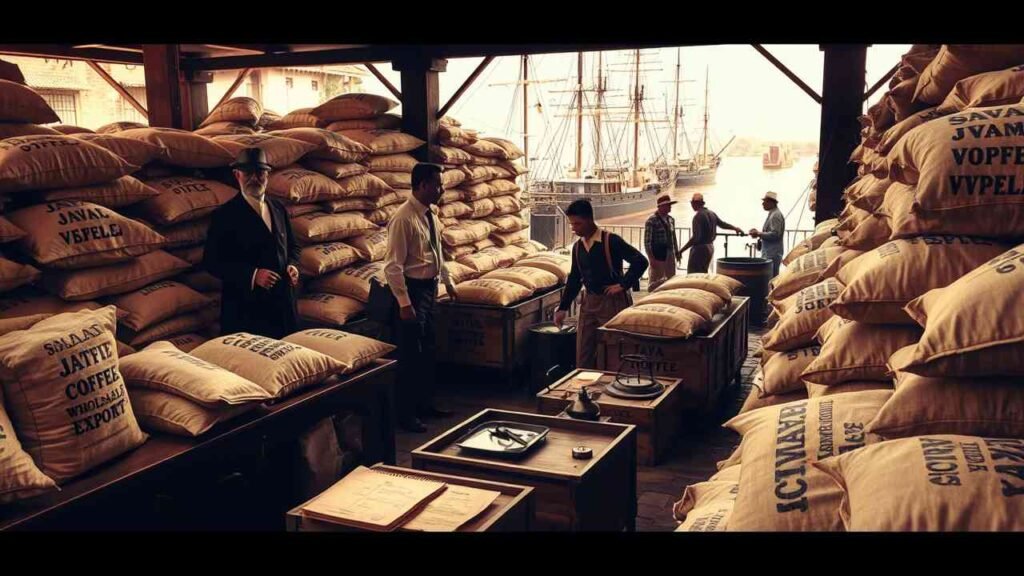
The aroma of freshly brewed coffee is a universal language, connecting cultures and communities across the globe. For businesses looking to tap into this multi-billion dollar industry, understanding the intricacies of coffee beans wholesale export is paramount. Whether you are a small-scale farmer, a large cooperative, or a seasoned trader, the journey from farm to international market is filled with opportunities and complexities. This comprehensive guide will walk you through everything you need to know, from market trends and logistics to quality standards and regulations.
The global coffee market is a dynamic landscape, with total production for 2025/26 forecast at a record 178.7 million bags, according to the USDA. This growth, fueled by rising consumption and a burgeoning specialty coffee culture, presents a golden opportunity for exporters. To succeed, you need a partner who understands this landscape. Javapreanger.com is a dedicated resource for businesses seeking to navigate this complex world, offering insights, connections, and support to help you thrive in the competitive international market.
Table of Contents
- The Global Coffee Market: Trends, Statistics, and Opportunities
- Understanding the Coffee Beans Wholesale Export Process
- Navigating Regulations and Documentation for Export
- Ensuring Quality: From Farm to Freight
- Logistics and Shipping: The Journey of a Coffee Bean
- Finding the Right Buyers and Building Relationships
- Pricing, Cost Analysis, and Profitability
- Common Challenges and How to Overcome Them
- Frequently Asked Questions (FAQs)
- Conclusion: Your Path to a Successful Export Business
1. The Global Coffee Market: Trends, Statistics, and Opportunities
The coffee industry is not just about a daily ritual; it’s a massive economic engine. The global coffee market is projected to grow significantly, with a market size of USD 245.2 billion in 2024, expected to reach USD 381.52 billion by 2034. This growth is driven by several key factors:
- Rising Consumption: Countries in the Asia-Pacific region, like Indonesia and the Philippines, are seeing rapid growth in domestic coffee consumption, while traditional powerhouses like the European Union and the United States continue to be major importers. Europe accounted for a 34% market share in 2024, while North America held 28%.
- Specialty Coffee Boom: Consumers are increasingly interested in the origin, flavor profile, and ethical sourcing of their coffee. This has led to a surge in demand for specialty and single-origin coffee beans, which command higher prices and offer greater profit margins. The global single-origin coffee market is expected to grow at a CAGR of 5.10% from 2025 to 2034.
- Direct Trade and Sustainability: There is a growing movement towards direct trade relationships between producers and roasters. This model cuts out intermediaries, ensures fair prices for farmers, and provides traceability and transparency for consumers. Sustainable and certified products (e.g., Fair Trade, Organic) are also in high demand.
The top coffee-producing countries in 2024/2025 are Brazil (37% of global production), Vietnam (17%), Colombia (8%), and Indonesia (6%). This data from the USDA’s Foreign Agricultural Service highlights the dominance of these key players, but also shows that there is a significant market share available for other producing nations with unique and high-quality beans.
2. Understanding the Coffee Beans Wholesale Export Process
The process of exporting coffee beans can be broken down into several core stages. A clear understanding of each step is crucial for a smooth and profitable operation.
A. Sourcing and Procurement
The foundation of a successful export business is a high-quality product. This means establishing strong, reliable relationships with coffee farmers and cooperatives.
- Direct Sourcing: Working directly with farmers allows you to control quality from the very beginning. You can verify farming practices, processing methods, and ensure the beans meet your standards.
- Cooperative Partnerships: Collaborating with a cooperative gives you access to a larger volume of coffee and often comes with established quality control measures and community support.
- Quality Assessment: Cupping, a professional coffee tasting method, is used to evaluate the beans’ flavor, aroma, acidity, body, and overall quality. This is an essential step to classify the coffee (e.g., specialty grade, premium grade) and determine its market value.
B. Processing and Milling
After harvesting, coffee cherries must be processed to extract the green beans. There are several methods, each impacting the final flavor profile.
- Dry Process (Natural): Cherries are dried whole in the sun, allowing the fruit’s sugars to infuse the bean. This method often results in a sweeter, fruitier coffee.
- Wet Process (Washed): The cherry’s pulp is removed before the beans are fermented and washed. This process is more labor-intensive but results in a cleaner, brighter flavor.
- Honey Process: A hybrid method where some of the cherry’s mucilage (a sticky layer known as “honey”) is left on the bean during drying, offering a balance of the natural and washed flavor profiles.
After processing, the beans are hulled to remove any remaining layers (parchment and silverskin), cleaned, and sorted by size and density to ensure a uniform lot.
C. Finding Buyers and Market Research
Identifying and connecting with potential buyers is a continuous effort. Your target audience could include:
- Large-scale commercial roasters: These buyers require high volume and consistent quality for their blends.
- Specialty roasters: They seek unique, high-quality, and often single-origin beans with a specific story or flavor profile.
- Coffee importers and distributors: These companies act as intermediaries, buying in bulk and reselling to smaller roasters and cafes.
Market research is critical. You must understand the specific preferences of your target market. For example, some markets prefer Arabica beans for their delicate flavor, while others prefer Robusta for its bold taste and high caffeine content.
3. Navigating Regulations and Documentation for Export
The world of international trade is governed by a complex web of regulations. Failing to comply can lead to costly delays, fines, or even the seizure of your shipment.
A. Essential Documents
A typical coffee beans export shipment requires a comprehensive set of documents, which may vary by destination country:
- Commercial Invoice: Details the transaction, including the goods, quantity, and value.
- Packing List: Specifies the contents of each package.
- Certificate of Origin: Proves the country where the coffee was grown and processed. This is often required for customs and may affect tariffs.
- Bill of Lading or Airway Bill: A contract between the shipper and the carrier, acting as a title of goods.
- Phytosanitary Certificate: Issued by the producing country’s agricultural department, it certifies that the beans are free from pests and diseases.
- Export License: Required by some countries to control and monitor the export of certain commodities.
B. Understanding Import Regulations
Each destination country has its own specific import requirements. For example, when importing into the United States, you must comply with regulations from the Customs and Border Protection (CBP), Food and Drug Administration (FDA), and the United States Department of Agriculture (USDA).
- FDA Prior Notice: All food products, including green coffee beans, require “prior notice” to the FDA before arrival.
- Labeling Requirements: The FDA also has strict labeling regulations. Each bag must clearly display the product name, country of origin, and the name and address of the manufacturer or distributor, all in English.
- Taxes and Fees: While green coffee beans are generally duty-free in the U.S., you may be subject to fees like the Merchandise Processing Fee (MPF) and Harbor Maintenance Fee (HMF).
It’s highly recommended to work with a reputable customs broker or a partner who understands the complexities of international trade.
4. Ensuring Quality: From Farm to Freight
Maintaining the quality of your coffee beans throughout the entire journey is the key to repeat business and a strong brand reputation. A lapse in quality control can ruin a shipment and a long-standing relationship with a buyer.
- Moisture Content: This is a critical factor. The optimal moisture content for green coffee beans is typically between 10% and 12%. Beans that are too moist can develop mold and off-flavors, while beans that are too dry can become brittle and lose their aroma.
- Grading and Sorting: Beans should be graded according to established standards, such as those from the Specialty Coffee Association (SCA). This includes sorting by size, and meticulously removing defective beans (e.g., black beans, broken beans, or stones).
- Packaging: Proper packaging is essential for preserving quality. Jute bags with a GrainPro or other hermetic lining are the industry standard. These liners protect against moisture, odor, and pests, ensuring the beans arrive in pristine condition.
- Storage: Green coffee beans must be stored in a cool, dry, and well-ventilated warehouse, away from direct sunlight and heat. The ideal storage conditions maintain consistent temperature and humidity.
5. Logistics and Shipping: The Journey of a Coffee Bean
The physical transportation of coffee beans from the producing country to the buyer is a logistical puzzle that requires careful planning.
A. The Coffee Supply Chain
The journey of a coffee bean involves several key players:
- Growers: Harvest the coffee cherries.
- Processors/Millers: Transform the cherries into green beans.
- Exporters: Purchase beans from growers or cooperatives and handle all aspects of international shipping.
- Importers/Traders: Buy coffee in bulk from exporters and sell to roasters.
- Roasters: Transform green beans into roasted coffee for retail or cafes.
- Retailers/Consumers: The final link in the chain.
Each stage is an opportunity for quality to be compromised if not managed correctly. Exporters play a pivotal role in bridging the gap between producers and the global market.
B. Modes of Transportation and Best Practices
Most green coffee beans are shipped via ocean freight in containers. Proper container preparation is vital.
- Container Lining: Use corrugated kraft-paper or cardboard to line the floors and walls of the container. This provides a buffer against condensation, a silent killer of coffee quality.
- Desiccants: In certain seasons or for specific routes, using desiccants like “Dry Bags” can help control humidity levels inside the container.
- Stacking: Bags should be stacked in a way that allows for even weight distribution and prevents crushing.
For high-value or specialty coffee, sometimes air freight is used for faster transit, but this is significantly more expensive.
6. Finding the Right Buyers and Building Relationships
Securing long-term wholesale buyers is a marathon, not a sprint. It requires a proactive and strategic approach.
- B2B Marketplaces: Platforms like Alibaba and Global Sources are effective for connecting with a wide range of international buyers.
- Industry Trade Shows: Events like the Specialty Coffee Expo offer invaluable opportunities for face-to-face networking, sampling, and building trust.
- Direct Outreach: Connect with roasters, cafes, and distributors through professional networks like LinkedIn. Showcase your unique selling points (USPs), such as your commitment to sustainability, specific bean varietals, or direct trade practices.
- Offer Samples: Sending samples is a non-negotiable step. It allows potential buyers to cup your beans and experience their quality firsthand.
Building trust is the most important factor. Buyers want to work with reliable partners who can guarantee consistent quality and a stable supply.
7. Pricing, Cost Analysis, and Profitability
Determining your pricing strategy requires a deep dive into your costs and an understanding of the market. The price of green coffee is highly volatile, influenced by global supply and demand, weather patterns, and market speculation.
A. Key Cost Components
A full cost analysis should include:
- Farm Gate Price: The price you pay the farmer or cooperative for the green coffee.
- Processing and Milling Costs: Expenses related to hulling, cleaning, and sorting the beans.
- Quality Control: The cost of cupping, grading, and testing.
- Packaging: The cost of bags, liners, and other materials.
- Local Transportation: Hauling the beans from the farm or mill to the port.
- Export Documentation: Fees for licenses, certificates, and customs brokerage.
- Ocean Freight: The cost of shipping the container to the destination port.
- Insurance: Protecting your cargo against loss or damage.
B. Understanding Price Spreads
The difference between the final sale price and your total costs is your gross profit margin. While the average wholesaler retains a significant net benefit, it’s crucial to ensure fair prices for producers. In many cases, labor is the single largest cost component for growers, making up over 60% of their total expenses. Ethical sourcing and fair pricing are not just good for your brand image, but also for the long-term sustainability of the entire coffee supply chain.
8. Common Challenges and How to Overcome Them
The path to success is rarely smooth. Exporters face numerous challenges:
- Price Volatility: The C-market (commodity coffee market) can be highly unpredictable. To mitigate this, consider offering specialty-grade coffee with a stable, pre-negotiated price.
- Climate Change: Extreme weather events can devastate coffee harvests. Diversifying your sourcing to different regions or working with resilient coffee varietals can help.
- Supply Chain Disruptions: Global pandemics, political instability, and logistical bottlenecks can delay shipments. Building a resilient supply chain with backup plans is essential.
- Quality Control: Ensuring consistent quality across different lots and seasons requires rigorous testing and strong relationships with your producers.
- Strict Regulations: Staying up-to-date with the ever-changing import regulations of different countries can be a full-time job. Partnering with experienced professionals is a smart move.
9. Frequently Asked Questions (FAQs)
Q: What is the difference between Arabica and Robusta beans? A: Arabica beans are known for their complex, aromatic flavor profiles, higher acidity, and lower caffeine content. They are generally more expensive and account for about 60% of the world’s coffee production. Robusta beans are more robust and resilient, with a stronger, bolder flavor, higher caffeine content, and often used in espresso blends.
Q: What are Incoterms and why are they important? A: Incoterms (International Commercial Terms) are a set of rules that define the responsibilities of sellers and buyers for the delivery of goods under sales contracts. They specify who is responsible for paying for and managing the shipment, insurance, documentation, and other logistical costs. Common Incoterms in coffee export include FOB (Free On Board) and CIF (Cost, Insurance, and Freight).
Q: How do I find buyers for my coffee beans? A: You can find buyers through various channels: B2B online platforms, industry trade shows, direct networking with roasters and importers, and working with a brokerage firm. Focus on your unique story and the quality of your beans to stand out.
Q: What is specialty coffee? A: Specialty coffee is a grade of coffee that scores 80 points or above on a 100-point scale by a certified Q Grader. It is grown in ideal climates, meticulously processed, and roasted to its full potential. The focus is on the unique flavor and lack of defects.
Q: What are the main challenges for coffee exporters today? A: Key challenges include navigating volatile market prices, managing the effects of climate change on production, maintaining consistent quality, and complying with complex international trade regulations and logistics.
10. Conclusion: Your Path to a Successful Export Business
The world of coffee beans wholesale export is rich with opportunity for those who are prepared. By understanding the global market, mastering the export process, and prioritizing quality and compliance, you can build a sustainable and profitable business. The journey from a coffee farm to a cup in a distant land is a complex one, but it’s also a rewarding one.
At javapreanger.com, we understand these complexities. We offer a holistic solution, connecting you with reliable partners, providing expert guidance on market trends, logistics, and quality assurance. Whether you are a producer looking to reach a global audience or a buyer seeking the finest beans, we are your trusted partner in navigating the ever-evolving world of coffee trade. Let us help you cultivate success and share the exceptional taste of your coffee with the world.