
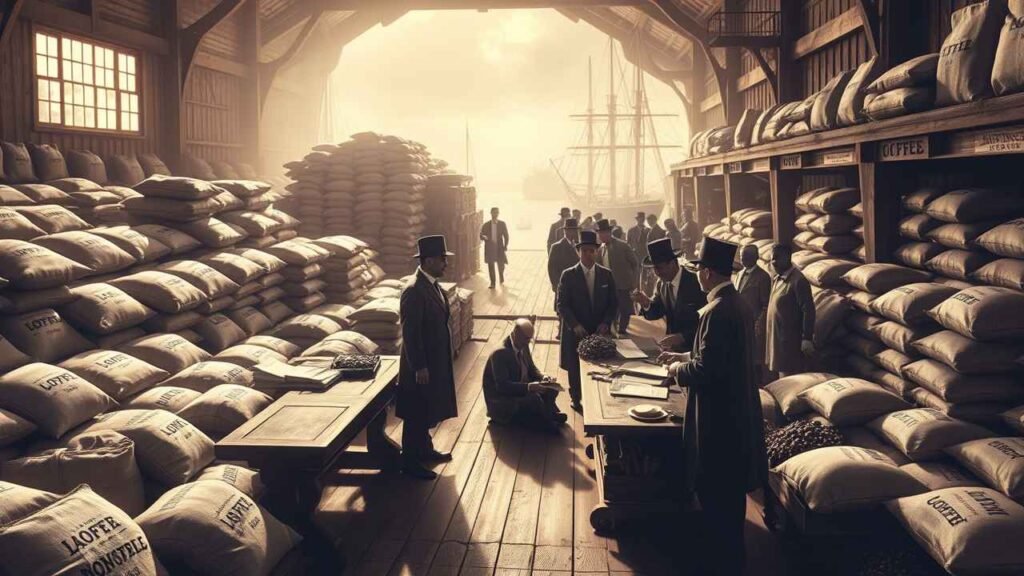
For coffee importers worldwide, finding reliable coffee suppliers for importers is the critical first step in building a successful coffee business. The global green coffee trade reached $30.3 billion in 2023, with specialty coffee accounting for over 20% of total volume. Whether you’re a new importer or looking to expand your supplier network, understanding how to evaluate and partner with quality coffee suppliers can make or break your business.
At Java Preanger, we’ve been supplying international importers with premium Indonesian arabica since 2010, offering full export documentation and container quantities of specialty-grade coffee. This comprehensive guide covers everything importers need to know about finding, vetting, and working with coffee suppliers globally.
Table of Contents
-
Types of Coffee Suppliers for Importers
-
Key Coffee Producing Regions to Source From
-
How to Evaluate Coffee Export Suppliers
-
Understanding Coffee Quality Standards
-
2024 Coffee Market Trends for Importers
-
The Complete Import Process Step-by-Step
-
Logistics and Shipping Considerations
-
Building Long-Term Supplier Relationships
-
FAQ: Coffee Suppliers for Importers
-
Partnering with Reliable Coffee Suppliers
Types of Coffee Suppliers for Importers
1. Farmers/Cooperatives
-
Pros: Direct access, highest traceability
-
Cons: Limited export capabilities
-
Best for: Specialty microlots, direct trade
2. Local Collectors/Traders
-
Pros: Village-level aggregation
-
Cons: Quality mixing common
-
Best for: Commercial grade purchases
3. Export Companies
-
Pros: Full export documentation
-
Cons: Multiple handling points
-
Best for: Medium-large volume orders
4. Specialty Importers
-
Pros: Quality control, logistics handled
-
Cons: Higher markup
-
Best for: Small-medium specialty buyers
Supplier Comparison:
| Type | Min Order | Traceability | Price |
|---|---|---|---|
| Farm Direct | 60kg | High | $$$ |
| Cooperative | 250kg | High | $$ |
| Exporter | 1MT | Medium | $ |
| Trader | 18MT | Low | $ |
Pro Tip: Java Preanger operates as both farm-direct and exporter, offering importers the best of both models.
Key Coffee Producing Regions to Source From
1. Indonesia (Sumatra, Java, Sulawesi)
-
Flavors: Earthy, herbal, floral
-
Harvest: Varies by island (year-round availability)
-
Advantage: Unique processing methods
2. Brazil (Minas Gerais, São Paulo)
-
Flavors: Nutty, chocolate
-
Harvest: April-September
-
Advantage: Large volumes available
3. Colombia (Huila, Nariño)
-
Flavors: Balanced, caramel
-
Harvest: Main: Apr-Jul; Mitaca: Nov-Jan
-
Advantage: Consistent quality
4. Ethiopia (Yirgacheffe, Sidamo)
-
Flavors: Floral, citrus
-
Harvest: October-February
-
Advantage: Distinctive profiles
How to Evaluate Coffee Export Suppliers
Essential Evaluation Criteria:
-
Export licenses and documentation
-
Quality control processes
-
Logistics capabilities
-
Financial stability
-
References from existing clients
Verification Process:
-
Request samples from current crop
-
Review export documentation examples
-
Check third-party certifications
-
Visit processing facilities if possible
Red Flags:
-
Unwillingness to provide samples
-
Vague origin information
-
Prices significantly below market
-
No physical address in origin country
Understanding Coffee Quality Standards
Specialty Coffee Association (SCA) Standards:
-
Grade 1 (Specialty): 80-100 points, ≤5 defects
-
Grade 2 (Premium): <80 points, ≤8 defects
-
Commercial grade: >8 defects
Physical Quality Markers:
-
Moisture content: 10-12%
-
Bean density: Hard bean preferred
-
Screen size: Consistent (typically 15-18)
-
Color: Uniform green (no yellowing)
Important: Always request SCA cupping reports when evaluating coffee suppliers for importers.
2024 Coffee Market Trends for Importers
Current Industry Developments:
-
Direct trade growth: 25% increase in importers sourcing directly
-
Micro-lot demand: Small batches with unique profiles
-
Price volatility: Climate impacts on supply
-
Sustainability focus: Carbon-neutral shipping options
-
Digital platforms: Online B2B marketplaces expanding
Price Trends (FOB):
-
Indonesian arabica: $8-$12/kg (+15% since 2022)
-
Ethiopian specialty: $12-$20/kg (+20%)
-
Colombian excelso: $10-$16/kg (+18%)
The Complete Import Process Step-by-Step
1. Supplier Selection (4-8 weeks)
-
Research potential suppliers
-
Evaluate samples and documentation
2. Contract Negotiation
-
Agree on quality specs, quantity, price
-
Determine Incoterms (FOB common)
-
Payment terms (30% deposit typical)
3. Pre-Shipment Preparation
-
Final quality inspection
-
Packaging (jute/GrainPro)
-
Documentation preparation
4. Shipping Arrangements
-
Book vessel space
-
Arrange inland transport
-
Handle customs clearance
5. Post-Shipment Follow-up
-
Track shipment
-
Prepare import documents
-
Quality verification upon arrival
Logistics and Shipping Considerations
Key Factors:
-
Packaging: Jute bags (standard) vs GrainPro (premium)
-
Container types: Dry vs refrigerated
-
Shipping routes: Direct vs transshipment
-
Transit times: 20-45 days typically
-
Insurance: All-risk recommended
Documentation Checklist:
-
Commercial Invoice
-
Packing List
-
Certificate of Origin
-
Phytosanitary Certificate
-
Bill of Lading
-
Quality Certificates
Building Long-Term Supplier Relationships
Best Practices:
-
Visit origins annually if possible
-
Communicate clearly about your needs
-
Provide feedback on each shipment
-
Consider long-term contracts for stability
-
Pay promptly to build trust
Relationship Benefits:
-
Priority access to best lots
-
Better pricing on large orders
-
Custom processing options
-
Early access to new crops
Case Study: Java Preanger offers importers guaranteed allocation of premium lots through our Partner Importer Program.
FAQ: Coffee Suppliers for Importers
1. What’s the minimum order quantity?
Most exporters require at least 1 metric ton, with better pricing at container loads (18-20MT).
2. How do payments typically work?
Standard practice is 30% deposit with order, 70% against shipping documents.
3. Which certifications add the most value?
Organic and Fair Trade command 15-25% price premiums in Western markets.
4. How should coffee be stored before shipping?
In cool (15-20°C), dry conditions with good ventilation, ideally in GrainPro bags.
5. What’s the shelf life of green coffee?
Properly stored green coffee maintains quality for 12-18 months from harvest.
Partnering with Reliable Coffee Suppliers
For importers seeking quality coffee suppliers for importers, Java Preanger offers:
-
Direct farm relationships across Indonesia
-
Full export documentation and certifications
-
Container quantities of specialty-grade coffee
-
Sustainable pricing models supporting farmers
Ready to import premium coffee? Contact our export team for current crop availability and samples.