
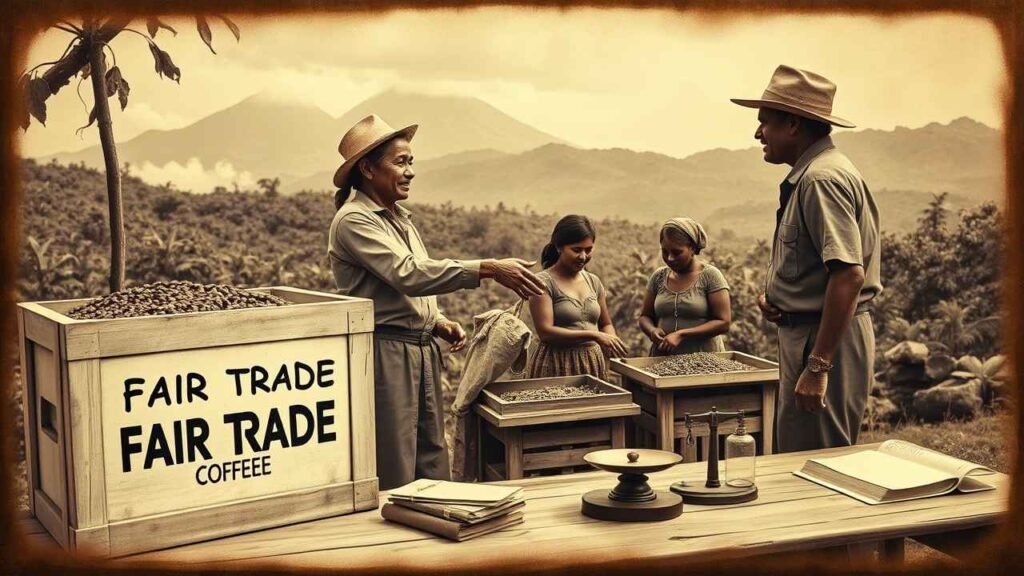
In the world of specialty coffee, Fair Trade Java Preanger coffee represents the perfect union of exceptional quality and ethical sourcing. Grown in the volcanic highlands of West Java, Java Preanger arabica is renowned for its floral aroma and tea-like clarity, while Fair Trade certification ensures farmers receive fair compensation and work under equitable conditions. The global Fair Trade coffee market, valued at $1.2 billion in 2024, continues to grow as consumers increasingly demand transparency in their coffee’s journey from farm to cup.
At Java Preanger, we’ve built direct Fair Trade relationships with smallholder farmers in the Parahyangan region, combining premium quality with social responsibility. This comprehensive guide explores everything you need to know about Fair Trade Java Preanger coffee, from its unique characteristics to the tangible benefits it delivers to farming communities.
Table of Contents
-
What Makes Java Preanger Coffee Special?
-
Understanding Fair Trade Certification
-
The Impact of Fair Trade on Java Preanger Farmers
-
How to Identify Authentic Fair Trade Java Preanger
-
Quality Standards and Flavor Profile
-
Current Market Trends in Fair Trade Specialty Coffee
-
The Complete Supply Chain: From Farm to Cup
-
FAQ: Fair Trade Java Preanger Coffee
-
Where to Source Ethical Java Preanger Coffee
What Makes Java Preanger Coffee Special?
Java Preanger arabica stands apart from other Indonesian coffees due to several distinctive factors:
-
Historical significance: Descended from Java’s original arabica plants brought by Dutch colonists
-
Terroir-driven profile: Volcanic soil at 1,200-1,600 meters creates exceptional cup clarity
-
Traditional processing: Wet-hulling (Giling Basah) method enhances its signature clean finish
-
Limited production: Smallholder farms average just 2-5 hectares each
Unique Characteristics:
| Attribute | Java Preanger | Regular Java Coffee |
|---|---|---|
| Aroma | Floral, jasmine | Nutty, earthy |
| Acidity | Bright | Low |
| Body | Medium-light | Medium-heavy |
| Aftertaste | Clean, tea-like | Heavy, lingering |
Insight: Authentic Fair Trade Java Preanger coffee preserves these distinctive qualities while ensuring ethical production practices.
Understanding Fair Trade Certification
Fair Trade certification ensures:
For Farmers:
-
Minimum price guarantee: $1.40/lb ($3.08/kg) for arabica (2024 rate)
-
Community premium: Additional $0.20/lb for development projects
-
Safe working conditions: No child labor, proper equipment
-
Environmental standards: Sustainable farming practices
For Buyers:
-
Supply chain transparency
-
Verified ethical sourcing
-
Quality assurance (all Fair Trade coffee is specialty grade)
Certification Process:
-
Farmer group organization
-
Compliance verification
-
Annual audits
-
Continuous improvement
2024 Fair Trade Stats:
-
812,000 coffee farmers certified globally
-
$198 million in premiums paid since 1998
-
24% growth in Fair Trade coffee sales since 2020
The Impact of Fair Trade on Java Preanger Farmers
Fair Trade makes a measurable difference in West Java’s coffee communities:
Economic Benefits:
-
25-40% higher income than conventional market
-
Stable pricing regardless of market fluctuations
-
Premium funds for:
-
Education scholarships
-
Healthcare clinics
-
Clean water projects
-
Social Improvements:
-
Gender equality programs
-
Farmer training initiatives
-
Cooperative strengthening
Environmental Protection:
-
Organic farming incentives
-
Reforestation projects
-
Water conservation systems
Case Study: A Java Preanger partner cooperative built a new school using Fair Trade premiums, serving 120 children.
How to Identify Authentic Fair Trade Java Preanger
Verification Checklist:
-
Fair Trade logo on packaging
-
Certification number (verifiable online)
-
Cooperative name and location
-
Transparent pricing breakdown
-
Importer information
Red Flags:
-
Vague origin claims
-
No certification documentation
-
Prices below Fair Trade minimums
-
Unwillingness to share farmer impact details
Authentication Tip: Always request the Fair Trade Certificate and corresponding invoices when purchasing wholesale.
Quality Standards and Flavor Profile
Fair Trade Java Preanger meets rigorous quality benchmarks:
Physical Standards:
-
Screen size: 15-18 (90% uniformity)
-
Defects: ≤5 per 350g sample
-
Moisture: 10-12%
-
Density: High (hard bean)
Flavor Characteristics:
-
Aroma: Floral, jasmine
-
Acidity: Bright, citrusy
-
Body: Medium-light, silky
-
Flavor: Stone fruit, bergamot
-
Aftertaste: Clean, tea-like
SCA Cupping Scores:
| Grade | Score Range | Price Premium |
|---|---|---|
| Specialty | 84-87 | 25-35% |
| Premium | 80-83 | 15-20% |
Current Market Trends in Fair Trade Specialty Coffee
The Fair Trade coffee market is evolving with several 2024 trends:
-
Growing demand: 18% annual increase for Fair Trade specialty
-
Price premiums: Consumers willing to pay 20-30% more
-
Climate focus: Carbon-neutral Fair Trade coffee emerging
-
Direct relationships: More roasters partnering with specific cooperatives
-
E-commerce growth: Online sales of Fair Trade coffee up 35%
Consumer Insight: 68% of coffee drinkers under 35 prefer Fair Trade certified options (2024 Coffee Trends Report).
The Complete Supply Chain: From Farm to Cup
Fair Trade Journey:
-
Sustainable Farming (West Java highlands)
-
Shade-grown cultivation
-
Organic practices
-
Selective hand-picking
-
-
Ethical Processing
-
Fair wages for workers
-
Community oversight
-
Traditional wet-hulling
-
-
Certified Export
-
Fair Trade minimum price paid
-
Premiums collected
-
Full documentation
-
-
Transparent Roasting
-
Fair Trade license verification
-
Roast date tracking
-
Consumer education
-
FAQ: Fair Trade Java Preanger Coffee
1. Does Fair Trade affect coffee quality?
No – Fair Trade certification requires specialty grade quality (80+ SCA points) while ensuring ethical practices.
2. What’s the price difference vs conventional?
Fair Trade Java Preanger typically costs 15-25% more, with the premium going directly to farmers.
3. How are Fair Trade premiums used?
Farmers democratically decide, often choosing education, healthcare, or farming improvements.
4. Can I visit Fair Trade farms?
Reputable suppliers like Java Preanger arrange farm visits for serious buyers.
5. Is all Java Preanger coffee Fair Trade?
No – only coffee from certified cooperatives can carry the Fair Trade label.
Where to Source Ethical Java Preanger Coffee
For roasters and importers committed to Fair Trade Java Preanger coffee, Java Preanger offers:
-
Direct relationships with certified cooperatives
-
Full traceability from farm to export
-
Flexible order sizes from samples to containers
-
Impact reports showing premium usage
Ready to source ethically? Contact our team for current Fair Trade offerings and samples.