
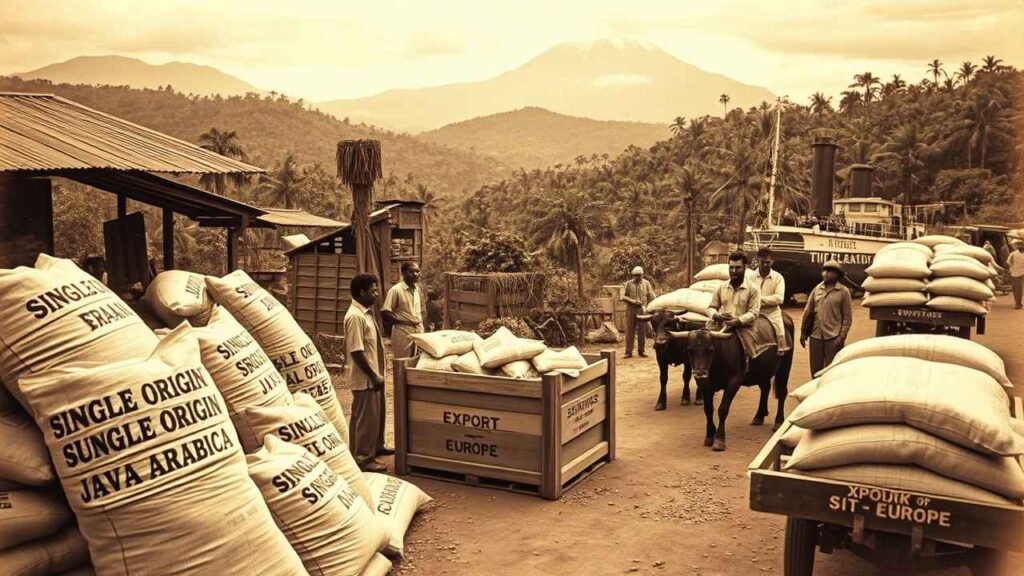
The global demand for Indonesian single origin coffee export has surged by 28% since 2020, as discerning consumers increasingly seek traceable, high-quality beans with distinctive terroir characteristics. Indonesia’s volcanic islands produce some of the world’s most unique coffee profiles, from Sumatra’s earthy Mandheling to Java Preanger’s floral elegance. For exporters and international buyers, understanding Indonesia’s single origin coffee landscape is essential to capitalize on this growing market segment.
At Java Preanger, we specialize in exporting authentic single origin coffees from Indonesia’s premier growing regions, maintaining full traceability from farm to port. This comprehensive guide covers everything you need to know about exporting Indonesian single origin coffee, from regional flavor profiles to international market trends.
Table of Contents
-
Why Indonesian Single Origin Coffee Stands Out
-
Key Coffee Growing Regions in Indonesia
-
Understanding Single Origin Certification
-
Export Quality Standards and Grading
-
The Complete Export Process Step-by-Step
-
2024 Market Trends and Buyer Preferences
-
Pricing Structure and Profit Margins
-
Sustainable and Ethical Export Practices
-
FAQ: Indonesian Single Origin Coffee Export
-
Partnering with Reliable Indonesian Exporters
Why Indonesian Single Origin Coffee Stands Out
Indonesian coffees offer unique characteristics that differentiate them in the global market:
Distinctive Features:
-
Terroir-driven flavors: Volcanic soil creates complex profiles
-
Traditional processing: Wet-hulling (Giling Basah) method
-
Limited production: Smallholder farms average 2-5 hectares
-
Traceability: Single farm or cooperative origins
Comparison with Other Origins:
| Characteristic | Indonesian SO | Colombian SO | Ethiopian SO |
|---|---|---|---|
| Processing | Wet-hulled | Washed | Natural/Washed |
| Body | Medium-heavy | Medium | Light-medium |
| Acidity | Low | Medium | High |
| Flavor Notes | Earthy, spicy | Caramel, nutty | Floral, fruity |
Pro Tip: Java Preanger single origin lots include GPS coordinates and farmer profiles for complete transparency.
Key Coffee Growing Regions in Indonesia
1. Sumatra (Mandheling, Gayo)
-
Altitude: 1,100-1,500 masl
-
Flavor: Earthy, herbal, full-bodied
-
Harvest: October-March
2. Java (Preanger, Jampit)
-
Altitude: 1,200-1,600 masl
-
Flavor: Floral, tea-like, clean
-
Harvest: May-September
3. Sulawesi (Toraja, Kalosi)
-
Altitude: 1,100-1,800 masl
-
Flavor: Spicy, fruity, balanced
-
Harvest: May-November
Regional Comparison:
| Region | SCA Score Range | Price (FOB 2024) | Unique Selling Point |
|---|---|---|---|
| Sumatra | 82-86 | $7-$11/kg | Heavy body, low acidity |
| Java | 83-87 | $8-$12/kg | Floral elegance |
| Sulawesi | 83-86 | $9-$13/kg | Balanced complexity |
Understanding Single Origin Certification
Requirements for Single Origin Status:
-
Geographical boundaries: Defined growing region
-
Traceability: Lot separation maintained
-
Processing: Distinct regional methods
-
Quality consistency: Uniform characteristics
Verification Documents:
-
Farm location maps
-
Harvest records
-
Processing logs
-
Cupping reports
Important: True single origin coffee should have verifiable documentation back to specific farms or cooperatives.
Export Quality Standards and Grading
Indonesian Specialty Coffee Standards:
-
Grade 1 (Specialty): 80-100 points, ≤5 defects
-
Grade 2 (Premium): <80 points, ≤8 defects
-
Commercial grade: >8 defects
Physical Quality Markers:
-
Moisture content: 10-12%
-
Bean density: Hard bean preferred
-
Screen size: 15-18 (90% uniformity)
-
Color: Uniform green (no discoloration)
Export Tip: Java Preanger provides SCA-certified cupping reports with every shipment.
The Complete Export Process Step-by-Step
1. Farm Selection & Quality Control
-
Identify premium lots
-
Conduct pre-harvest evaluations
2. Processing & Preparation
-
Wet-hulling or washing
-
Drying to optimal moisture
-
Sorting and grading
3. Export Documentation
-
Certificate of Origin
-
Phytosanitary Certificate
-
Quality Analysis Reports
4. Packaging & Logistics
-
GrainPro or jute bagging
-
Container loading
-
Shipping arrangements
5. Buyer Support
-
Roast profile recommendations
-
Marketing materials
-
Quality guarantees
2024 Market Trends and Buyer Preferences
Current Industry Developments:
-
Traceability demand: 65% of buyers want farm-level details
-
Micro-lot interest: Small batches with unique profiles
-
Price premiums: 20-30% for verified single origin
-
Sustainable focus: Carbon-neutral shipping options
-
E-commerce growth: Online B2B platforms expanding
Buyer Preferences by Market:
| Market | Preferred Profile | Packaging | Price Sensitivity |
|---|---|---|---|
| USA | Balanced, medium body | GrainPro | Medium |
| Europe | Complex, distinctive | Jute | Low |
| Japan | Clean, floral | Vacuum | High |
| Australia | Bold, experimental | GrainPro | Medium |
Pricing Structure and Profit Margins
2024 Price Benchmarks (FOB):
| Grade | Price Range | Target Margin |
|---|---|---|
| Specialty (85+) | $10-$15/kg | 25-35% |
| Premium (80-84) | $8-$12/kg | 20-25% |
| Commercial | $5-$8/kg | 15-20% |
Cost Components:
-
Farmgate price: 40-50% of FOB
-
Processing: 15-20%
-
Export costs: 10-15%
-
Transport: 5-10%
-
Certifications: 3-5%
Sustainable and Ethical Export Practices
Best Practices for Exporters:
-
Fair pricing: Pay 25-40% above market
-
Community support: Fund education, healthcare
-
Environmental protection: Organic methods, reforestation
-
Direct relationships: Work with farmer groups
Certification Benefits:
-
Organic: 15-20% price premium
-
Fair Trade: 10-15% premium
-
Rainforest Alliance: 5-10% premium
Case Study: Java Preanger farmers increased incomes by 35% through our direct trade program while maintaining organic practices.
FAQ: Indonesian Single Origin Coffee Export
1. What’s the minimum order quantity?
Most exporters require at least 1 metric ton, with better pricing at container loads (18-20MT).
2. How do I verify single origin claims?
Request:
-
Farm location details
-
Harvest records
-
Processing documentation
3. Which certifications add the most value?
Organic and Fair Trade command the highest premiums (15-25%).
4. What’s the shelf life of green coffee?
Properly stored green coffee maintains quality for 12-18 months post-harvest.
5. How should samples be evaluated?
Roast to multiple profiles and cup using SCA protocols.
Partnering with Reliable Indonesian Exporters
For buyers seeking authentic Indonesian single origin coffee export, Java Preanger offers:
-
Farm-direct relationships across Indonesia
-
Full traceability to individual farms
-
Flexible order sizes from samples to containers
-
Export documentation handled completely
Ready to export premium single origin coffee? Contact our team for current harvest availability and samples.