
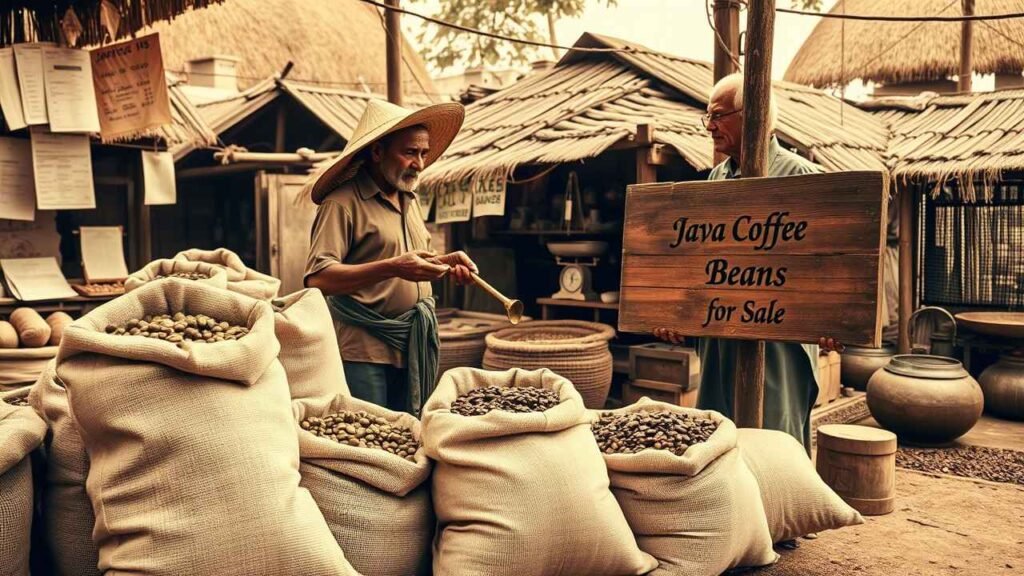
The global market for Java coffee beans for sale has grown by 32% since 2020, as specialty coffee enthusiasts increasingly seek out Indonesia’s heritage arabica varieties. True Java coffee, particularly the prized Java Preanger variety grown in West Java’s volcanic highlands, offers a distinctive floral aroma and tea-like clarity that sets it apart from other Indonesian coffees. For buyers looking to source authentic Java coffee beans, understanding regional differences, quality markers, and sourcing channels is essential to securing premium lots.
At Java Preanger, we connect global buyers directly with smallholder farmers in Java’s historic coffee-growing regions, offering traceable, specialty-grade beans with full export documentation. This comprehensive guide covers everything you need to know about purchasing Java coffee beans, from identifying authentic varieties to navigating the international coffee market.
Table of Contents
-
What Makes Java Coffee Beans Unique?
-
Types of Java Coffee Beans Available
-
How to Identify Authentic Java Coffee
-
Quality Grades and Pricing (2024 Update)
-
Where to Buy Java Coffee Beans
-
The Complete Buying Process
-
Current Market Trends for Java Coffee
-
Sustainable Sourcing Considerations
-
FAQ: Java Coffee Beans for Sale
-
Partnering with Trusted Java Coffee Suppliers
What Makes Java Coffee Beans Unique?
Java coffee stands apart from other Indonesian arabicas due to several distinctive characteristics:
Key Differentiators:
-
Historical significance: Among Indonesia’s original arabica varieties
-
Terroir influence: Volcanic soil at 1,200-1,600 meters elevation
-
Processing method: Traditional wet-hulling (Giling Basah)
-
Flavor profile: Notable floral and tea-like characteristics
Comparison with Other Indonesian Coffees:
| Characteristic | Java Preanger | Sumatran Mandheling | Sulawesi Toraja |
|---|---|---|---|
| Aroma | Floral, jasmine | Earthy, herbal | Fruity, spicy |
| Acidity | Bright | Low | Medium |
| Body | Medium-light | Heavy | Medium |
| Aftertaste | Clean, tea-like | Lingering | Balanced |
Pro Tip: Authentic Java coffee beans for sale from West Java’s Preanger region will display these signature flavor characteristics.
Types of Java Coffee Beans Available
1. Java Preanger
-
Growing area: West Java highlands
-
Flavor: Floral, tea-like, clean finish
-
SCA score: 83-87
-
Harvest: May-September
2. Java Jampit (East Java)
-
Growing area: Ijen Plateau
-
Flavor: Chocolate, nutty, heavier body
-
SCA score: 80-84
-
Harvest: June-October
3. Blawan Estate
-
Growing area: Bondowoso, East Java
-
Flavor: Spicy, tobacco notes
-
SCA score: 81-85
-
Harvest: July-November
Java Coffee Comparison:
| Type | Altitude (masl) | Processing | Price Range (2024) |
|---|---|---|---|
| Preanger | 1,200-1,600 | Wet-hulled | $10-$15/kg |
| Jampit | 900-1,300 | Washed | $8-$12/kg |
| Blawan | 1,100-1,500 | Semi-washed | $9-$13/kg |
How to Identify Authentic Java Coffee
Verification Checklist:
-
Origin documentation: Specific growing region details
-
Farm information: Cooperative or estate name
-
Harvest date: Within last 12 months
-
Processing method: Traditional for the region
-
Cupping scores: SCA reports available
Red Flags:
-
Vague origin claims (“Java” without specific area)
-
Unusually low prices (below $8/kg for specialty)
-
No sample policy
-
Lack of traceability information
Authentication Tip: Java Preanger provides GPS coordinates and farmer profiles for complete traceability.
Quality Grades and Pricing (2024 Update)
Current Market Prices (FOB):
| Grade | SCA Score | Price/kg | Typical Buyers |
|---|---|---|---|
| Specialty | 84+ | $12-$18 | Third wave roasters |
| Premium | 80-83 | $9-$12 | Specialty cafes |
| Commercial | <80 | $6-$9 | Blenders, retailers |
Quality Factors Affecting Price:
-
Altitude: +$0.50/kg per 100m above 1,000m
-
Processing: Washed/honey +15-20%
-
Certifications: Organic +$2-$3/kg
-
Lot size: Micro-lots +20-30%
Market Insight: True Java Preanger commands 20-25% premium over generic Java coffee.
Where to Buy Java Coffee Beans
Sourcing Options:
-
Direct from farms/cooperatives
-
Pros: Highest traceability
-
Cons: Large MOQs typically
-
-
Specialty importers
-
Pros: Quality control
-
Cons: Higher markup
-
-
Online marketplaces
-
Pros: Convenience
-
Cons: Variable quality
-
-
Local distributors
-
Pros: Fast delivery
-
Cons: Less origin info
-
Recommended: For quality assurance, partner with established suppliers like Java Preanger who work directly with farmers.
The Complete Buying Process
Step-by-Step Guide:
-
Define your needs (volume, quality, budget)
-
Research suppliers (origin trips ideal)
-
Request samples (multiple lots)
-
Conduct test roasts (various profiles)
-
Evaluate cuppings (SCA protocol)
-
Negotiate terms (price, payment, delivery)
-
Arrange logistics (shipping, insurance)
-
Quality control (pre- and post-shipment)
Current Market Trends for Java Coffee
2024 Industry Developments:
-
Growing demand: 25% increase for traceable single-origin
-
Price appreciation: 15-20% for premium Java Preanger
-
Sustainability focus: Carbon-neutral shipping options
-
Direct trade growth: More roasters buying straight from farms
-
E-commerce expansion: Online B2B platforms gaining share
Consumer Preferences:
-
Willingness to pay 20-30% premium for authentic Java
-
Increasing interest in micro-lots
-
Demand for farm-to-cup stories
Sustainable Sourcing Considerations
Ethical Purchasing Practices:
-
Fair pricing: Pay farmers 25-40% above market
-
Community support: Fund education, healthcare
-
Environmental protection: Organic farming, reforestation
-
Long-term relationships: Multi-year contracts
Certification Benefits:
-
Organic: 15-20% price premium
-
Fair Trade: 10-15% premium
-
Rainforest Alliance: 5-10% premium
Case Study: Java Preanger farmers increased incomes by 35% through our direct trade program while implementing organic practices.
FAQ: Java Coffee Beans for Sale
1. What’s the minimum order quantity?
Most suppliers require at least 60kg (1 bag), with better pricing at 250kg+.
2. How do I verify authenticity?
Request origin documentation, harvest records, and cupping reports.
3. Which certifications are most valuable?
Organic and Fair Trade command the highest premiums (15-25%).
4. What’s the shelf life of green Java coffee?
Properly stored (cool, dry, dark) maintains quality for 12-18 months.
5. How should Java coffee be roasted?
Best results from light-medium roasts (City to Full City) with extended development.
Partnering with Trusted Java Coffee Suppliers
For buyers seeking authentic Java coffee beans for sale, Java Preanger offers:
-
Direct farm relationships in West Java
-
Full traceability to individual growers
-
Flexible order sizes from samples to containers
-
Sustainable pricing that supports farmers
Ready to experience true Java coffee? Request our current harvest offerings with complete cupping reports.