
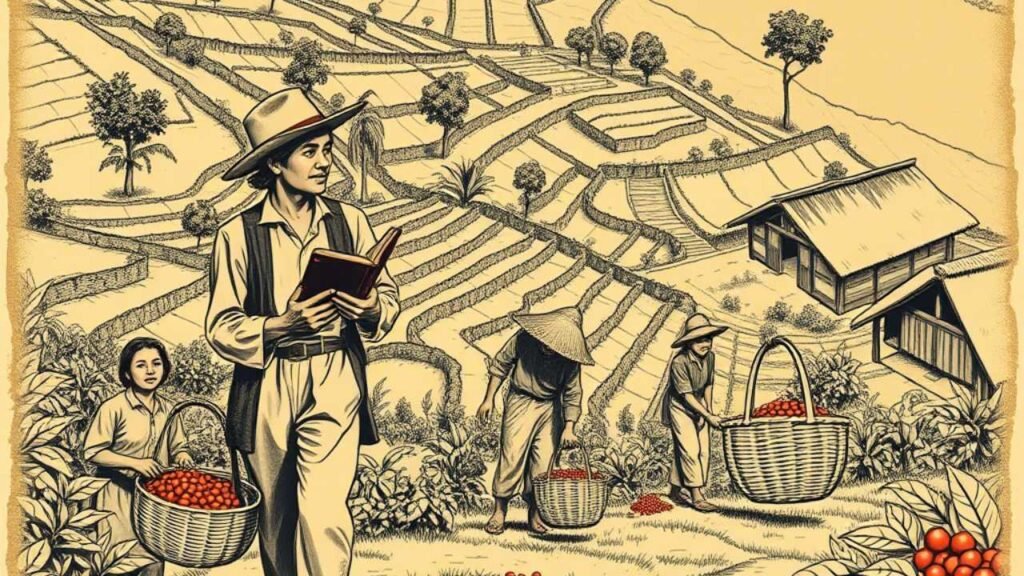
For specialty coffee buyers and roasters worldwide, sourcing Java Preanger coffee represents an opportunity to access one of Indonesia’s most distinctive and historically significant arabica varieties. Grown in the volcanic highlands of West Java, Java Preanger coffee is renowned for its floral aroma, tea-like clarity, and clean finish – characteristics that have made it increasingly sought after in global specialty markets.
At Java Preanger, we specialize in connecting international buyers directly with the smallholder farmers who cultivate this heritage coffee, ensuring ethical sourcing practices and premium quality. This comprehensive guide will walk you through everything you need to know about sourcing authentic Java Preanger coffee, from understanding its unique terroir to navigating the import process.
Table of Contents
-
The Unique Characteristics of Java Preanger Coffee
-
Key Regions for Sourcing Java Preanger Coffee
-
How to Identify Authentic Java Preanger Coffee
-
Understanding Quality Grades and Pricing
-
The Complete Sourcing Process: Step-by-Step
-
Current Market Trends (2024 Update)
-
Sustainable and Ethical Sourcing Practices
-
FAQ: Sourcing Java Preanger Coffee
-
Partnering with Reliable Java Preanger Suppliers
The Unique Characteristics of Java Preanger Coffee
Java Preanger arabica stands apart from other Indonesian coffees due to several distinctive factors:
-
Historical lineage: Descended from the original arabica plants brought by Dutch colonists in the 17th century
-
Terroir influence: Grown at 1,200-1,600 meters in volcanic soil rich in minerals
-
Processing methods: Traditional wet-hulling (Giling Basah) creates its signature clean cup profile
-
Flavor profile: Notable floral and tea-like characteristics with bright yet balanced acidity
Comparison with Other Indonesian Arabicas:
| Characteristic | Java Preanger | Sumatran Mandheling | Sulawesi Toraja |
|---|---|---|---|
| Aroma | Floral | Earthy | Fruity |
| Acidity | Bright | Low | Medium |
| Body | Medium-light | Heavy | Medium |
| Aftertaste | Clean, long | Lingering | Balanced |
Insight: When sourcing Java Preanger coffee, authentic lots will demonstrate these distinctive sensory characteristics consistently across harvests.
Key Regions for Sourcing Java Preanger Coffee
The Preanger region of West Java includes several micro-climates that produce exceptional coffee:
1. Pangalengan
-
Altitude: 1,400-1,600 masl
-
Flavor notes: Jasmine, stone fruit
-
Harvest: May-August
2. Garut
-
Altitude: 1,200-1,500 masl
-
Flavor notes: Bergamot, honey
-
Harvest: June-September
3. Bandung
-
Altitude: 1,300-1,550 masl
-
Flavor notes: Citrus, black tea
-
Harvest: May-July
Important: True Java Preanger coffee comes specifically from these West Java highlands, not to be confused with generic “Java coffee” from other regions.
How to Identify Authentic Java Preanger Coffee
When sourcing, watch for these markers of authenticity:
5 Key Indicators:
-
Geographical certification: Protected designation of origin documentation
-
Farm-level traceability: Specific farm or cooperative identification
-
Processing details: Traditional wet-hulling method used
-
Physical characteristics: Uniform blue-green beans, screen size 16-18
-
Cupping scores: SCA 83+ for specialty grade
Common Misrepresentations:
-
Blends marketed as “Java Preanger”
-
Coffee from outside West Java labeled as Preanger
-
Lack of harvest date specificity
Verification Tip: Java Preanger provides GPS coordinates and farmer profiles for all sourced lots.
Understanding Quality Grades and Pricing
2024 Price Benchmarks:
| Grade | SCA Score | Price Range (FOB) | Typical Use |
|---|---|---|---|
| Specialty | 84+ | $14-$18/kg | Single-origin |
| Premium | 80-83 | $12-$14/kg | Blends |
| Commercial | <80 | $8-$11/kg | Commodity |
Quality Factors Affecting Price:
-
Altitude: +$0.50/kg per 100m above 1,200m
-
Processing: Washed/honey commands 15-20% premium
-
Certifications: Organic adds $1.50-$3/kg
-
Lot size: Micro-lots (<500kg) priced 20-30% higher
The Complete Sourcing Process: Step-by-Step
1. Supplier Identification (2-4 weeks)
-
Research reputable exporters like Java Preanger
-
Verify certifications and farm relationships
2. Sample Evaluation (4-6 weeks)
-
Request current harvest samples
-
Conduct roast profiling and cupping
3. Contract Negotiation
-
Agree on quality specifications
-
Determine Incoterms (typically FOB)
-
Establish payment terms (30% deposit common)
4. Logistics Arrangement
-
Select shipping method (air or sea)
-
Arrange proper packaging (GrainPro recommended)
-
Handle export documentation
5. Quality Control Upon Arrival
-
Check moisture content (<12%)
-
Verify screen size consistency
-
Cup to confirm quality matches samples
Current Market Trends (2024 Update)
The Java Preanger market is evolving with several notable trends:
-
Increasing global demand: 25% growth in specialty market orders since 2022
-
New processing experiments: Honey and anaerobic fermentation lots emerging
-
Climate challenges: Erratic rainfall affecting harvest timing
-
Direct trade growth: More roasters establishing farm relationships
-
Price appreciation: 15-20% increase for specialty grade over two years
Sustainable and Ethical Sourcing Practices
When sourcing Java Preanger coffee, consider these responsible practices:
For Farmers:
-
Pay 25-40% above commodity prices
-
Offer multi-year purchase agreements
-
Support organic certification costs
-
Fund community projects (water access, schools)
For Environment:
-
Encourage shade-grown cultivation
-
Support soil conservation efforts
-
Promote water-efficient processing
Example: Java Preanger implements a “premium sharing” model where farmers earn bonuses for high-quality lots.
FAQ: Sourcing Java Preanger Coffee
1. What’s the minimum order quantity?
Most suppliers require at least 60kg (1 bag), with container loads (18-20MT) offering best pricing.
2. How do I verify authenticity?
Request:
-
Geographical certification
-
Farm location details
-
Harvest-specific cupping reports
3. What certifications are available?
Organic and Fair Trade are most common, with Rainforest Alliance gaining traction.
4. How should Java Preanger be roasted?
Best results from:
-
Light to medium roast (City to Full City)
-
Extended development time (20-25% of total roast)
-
Moderate charge temperatures (185-195°C)
Partnering with Reliable Java Preanger Suppliers
For coffee professionals serious about sourcing Java Preanger coffee at its best, Java Preanger offers:
-
Direct farm relationships with West Java growers
-
Full traceability from cherry to shipment
-
Flexible order sizes from samples to containers
-
Quality guarantees backed by SCA cupping reports
Ready to source authentic Java Preanger? Contact our team for current harvest availability and sampling options.