
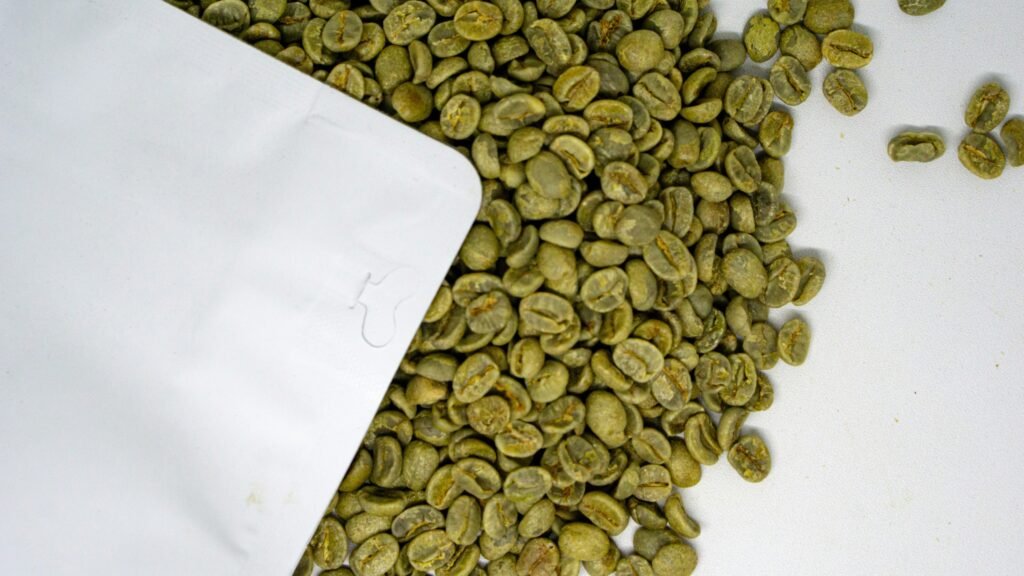
We, as an industry driven by flavor and a deep appreciation for the humble coffee bean, are constantly seeking ways to elevate our craft. One of the most impactful shifts we’ve seen in recent years, and one we wholeheartedly embrace, is the rise of direct trade green coffee suppliers. This isn’t just a trendy buzzword; it’s a fundamental reimagining of the coffee supply chain, prioritizing ethical sourcing and, ultimately, delivering a superior product to our customers.
For us, direct trade isn’t merely about bypassing intermediaries; it’s a philosophy, a commitment to building a more equitable and transparent coffee industry. We understand that the traditional coffee supply chain, while efficient in some ways, often leaves farmers at a disadvantage, vulnerable to market fluctuations and receiving only a fraction of the final retail price. Direct trade, in our experience, actively combats this.
What Defines Direct Trade for Us?
When we speak of direct trade, we’re referring to a very specific set of practices. It’s not simply buying from a known exporter; it’s about a deeper connection.
Direct Relationships with Farmers
This is the cornerstone. We, as direct trade advocates, actively seek to forge personal relationships with the coffee farmers. This often involves visiting farms, understanding their challenges, and celebrating their successes. We believe that this direct line of communication is invaluable. It allows us to truly understand the nuances of their operations, from soil health to processing methods. This, in turn, helps us ensure the quality and consistency of the beans we source.
Fair and Transparent Pricing
One of our primary motivations for engaging in direct trade is to ensure that farmers receive a fair price for their labor and their exceptional coffee. This means moving beyond commodity prices, which are notoriously volatile and often don’t cover the cost of production, let alone provide a living wage. We believe in transparency when it comes to pricing, often discussing with the farmers what it costs them to produce high-quality coffee and ensuring our payments significantly exceed these costs. This fosters sustainability and incentivizes investment in farming practices.
Commitment to Quality and Sustainability
Direct trade, for us, is inextricably linked to quality. When we invest directly in a farm, we are also investing in the quality of their product. We often work collaboratively with farmers to improve harvesting, processing, and drying techniques, thereby enhancing the inherent characteristics of the beans. Furthermore, we prioritize farms that demonstrate a commitment to environmentally sustainable practices, recognizing that the health of the land directly impacts the quality of the coffee.
For those interested in understanding the nuances of specialty coffee, a related article that provides valuable insights is available at this link: What is Considered Specialty Coffee?. This resource delves into the criteria that define specialty coffee, which is essential for direct trade green coffee suppliers aiming to source high-quality beans. By exploring the standards and characteristics of specialty coffee, suppliers can better align their offerings with the expectations of discerning consumers.
The Multifaceted Benefits of Direct Trade for Us and Our Customers
We’ve seen firsthand how direct trade benefits every link in the chain, from the soil to the cup. It’s a win-win scenario that we are proud to be a part of.
Enhanced Coffee Quality and Flavor Profiles
This is perhaps the most immediate and tangible benefit for us as roasters and for our customers. When we engage in direct trade, we gain unparalleled access to extraordinary beans.
Greater Control Over Sourcing and Selection
Our direct relationships with farmers allow us to be highly selective. We can specify particular varietals, processing methods, and even micro-lots that we know will yield exceptional results. This level of control is simply not possible through traditional channels. We can taste samples from various stages of the harvest, hone in on specific flavor notes, and truly curate our offerings.
Improved Traceability and Transparency
We can tell our customers exactly where their coffee comes from, down to the specific farm and even the individual lot. This level of traceability is incredibly powerful. It builds trust, allows us to share compelling stories about the producers, and ensures that our ethical claims are verifiable. Our customers appreciate knowing the journey their coffee has taken.
Consistency and Reliability in Supply
By fostering long-term relationships, we build a consistent supply of high-quality green coffee. This reduces the variability often associated with commodity markets and allows us to offer our customers a more reliable and consistent flavor experience year after year. We know what to expect from our direct trade partners, and they know what we expect from them.
Empowering Coffee Farmers and Their Communities
Beyond the cup, the profound impact direct trade has on the lives of coffee farmers and their communities is what truly resonates with us.
Fairer Compensation and Economic Stability
As mentioned earlier, direct trade ensures that farmers receive a significantly higher price for their coffee. This isn’t just about survival; it’s about empowerment. It allows them to invest in their farms, improve their infrastructure, and provide better lives for their families. We’ve witnessed farmers able to send their children to better schools, access healthcare, and implement sustainable farming practices that benefit future generations.
Investment in Sustainable Practices and Infrastructure
When farmers are fairly compensated, they are more likely to invest in their land. This includes organic certifications, shade-grown techniques, water conservation methods, and improved processing facilities. These investments not only safeguard the environment but also contribute to the long-term quality and viability of their coffee production. We often collaborate on these initiatives, providing advice and sometimes even financial support.
Community Development and Social Impact
The ripple effect of increased income in coffee-producing communities is significant. We’ve seen direct trade funds support local schools, build community centers, and provide access to vital resources. Our involvement extends beyond just a transactional exchange; it’s about being a positive force in these communities.
Navigating the Challenges of Direct Trade Effectively

While we firmly believe in the immense benefits of direct trade, we are also realistic about the challenges it presents. It’s not always an easy path, but it is always a rewarding one.
The Demands of Relationship Building and Logistics
Establishing and maintaining direct relationships requires a significant investment of time and resources. It’s not a set-it-and-forget-it approach.
Time and Resource Investment
We understand that visiting farms, building trust, and navigating international logistics demands considerable time and financial commitment. It requires dedicated personnel who are passionate about sourcing and willing to travel. We see this as an investment, not an expense, in the overall quality and ethical integrity of our business.
Navigating International Regulations and Shipping
Dealing directly with producers in different countries often means navigating complex import regulations, customs procedures, and international shipping logistics. We’ve had to develop expertise in these areas, often working with specialized freight forwarders who understand the nuances of green coffee transport. This can be more complex than simply ordering from a large importer, but the benefits outweigh the challenges.
Ensuring Ethical Practices and Authenticity
The very essence of direct trade rests on its ethical foundations. We are vigilant in ensuring our practices truly reflect these values.
Verifying Farmer Welfare and Labor Practices
Our direct relationships allow us to personally verify farmer welfare and labor practices. We look for evidence of fair wages, safe working conditions, and ethical hiring practices. We believe in transparency and encourage farmers to be open about their operations. This is a continuous dialogue and a crucial aspect of our commitment.
Avoiding “Greenwashing” and Maintaining Authenticity
The term “direct trade” can, unfortunately, be co-opted without genuine commitment. We are acutely aware of the risk of “greenwashing” – making ethical claims without truly delivering on them. We strive for complete transparency, sharing our sourcing stories, photos from farms, and even payment details (where appropriate and with farmer consent) to demonstrate our authentic commitment to direct trade principles. Our website and marketing materials are designed to be educational and fully transparent about our sourcing model.
Our Process: How We Engage with Direct Trade Suppliers

We’ve refined our approach to direct trade over the years, developing a robust process that ensures both quality and ethical integrity.
Establishing Connections and Building Trust
The initial phase is all about forging those vital connections. This involves more than just a simple cold call or email.
Finding Reputable Farms and Cooperatives
We actively seek out farms and cooperatives known for their commitment to quality and ethical practices. This often involves networking within the specialty coffee community, attending industry events, and sometimes, simply following leads from other passionate coffee professionals. We look for producers who share our values and are eager to build long-term partnerships.
Initial Farm Visits and Due Diligence
Once we identify potential partners, an initial farm visit is crucial. This allows us to assess their operations firsthand, understand their growing conditions, processing methods, and most importantly, build a personal connection with the farmers. We conduct thorough due diligence, examining their practices, infrastructure, and commitment to sustainability.
The Purchasing and Partnership Model
Our purchasing model is designed to be mutually beneficial, prioritizing stability and long-term collaboration.
Long-Term Contracts and Fair Pricing Agreements
We aim for long-term purchasing agreements rather than one-off transactions. This provides farmers with predictable income and allows them to plan for the future. Our pricing is always above market rates for specialty coffee and is agreed upon in a transparent manner, ensuring the farmers feel valued and fairly compensated. We understand that a stable income allows them to innovate and improve.
Collaborative Quality Improvement Initiatives
We often engage in collaborative quality improvement initiatives. This might involve funding new equipment, sharing best practices for fermentation, or providing feedback on flavor profiles to help farmers fine-tune their processing. We see ourselves less as buyers and more as partners in their pursuit of excellence. This shared goal strengthens our relationships and elevates the quality of the coffee.
For those interested in sourcing high-quality green coffee, exploring direct trade suppliers can be a game changer. A great resource to consider is an article that delves into the benefits of direct trade relationships and how they can enhance the quality of your coffee offerings. You can read more about this topic in the article on Java Preanger, which provides insights into B2B sales and the importance of building strong connections with suppliers. To learn more, visit this informative article.
The Future We Envision with Direct Trade
| Supplier Name | Location | Quality Score | Volume Supplied (kg) |
|---|---|---|---|
| Supplier A | Colombia | 92 | 5000 |
| Supplier B | Ethiopia | 88 | 7000 |
| Supplier C | Brazil | 90 | 6000 |
We believe direct trade is not just a trend but the future of our industry. Our commitment to this model will only deepen as we continue to grow.
Expanding Our Network and Impact
We are continuously looking to expand our network of direct trade partners. This means reaching out to new regions, discovering unique varietals, and fostering relationships with more incredible farmers. Every new partnership is an opportunity to extend our positive impact.
Exploring New Regions and Unique Varietals
The world of coffee is incredibly diverse, and we are eager to explore new regions and discover unique varietals that offer exciting flavor profiles. This keeps our offerings fresh and exciting for our customers and provides new opportunities for farmers in emerging coffee-producing areas.
Mentorship and Support for Emerging Producers
We believe in supporting the next generation of coffee farmers. This includes providing mentorship, technical assistance, and access to market for emerging producers who are committed to quality and ethical practices but may lack the resources or connections to thrive independently. We see ourselves as facilitators of their success.
Advocating for Greater Transparency in the Industry
Our ultimate goal is to see direct trade principles become the norm, not the exception, in the coffee industry.
Educating Consumers on Ethical Sourcing
We are passionate about educating our consumers about the importance of ethical sourcing. Through our website, social media, and in-person interactions, we share the stories of our farmers, highlight the impact of direct trade, and empower our customers to make informed choices. We believe that an educated consumer base is key to driving positive change.
Promoting Industry Standards for Genuine Direct Trade
We actively participate in industry discussions and advocate for clearer standards and guidelines for genuine direct trade. We want to ensure that the term “direct trade” maintains its integrity and isn’t diluted by practices that don’t truly benefit farmers. We believe that by working together, we can collectively raise the bar for ethical sourcing throughout the specialty coffee world.
In conclusion, our journey with direct trade green coffee suppliers has been incredibly rewarding. It’s a model that challenges traditional norms, demands dedication and transparency, but ultimately delivers unparalleled quality, fosters genuine connections, and empowers communities. We are proud to be part of this movement, and we invite our customers to join us in celebrating the tangible difference that direct trade makes, one exceptional cup of coffee at a time.
FAQs
What is direct trade green coffee?
Direct trade green coffee refers to the practice of coffee roasters sourcing their beans directly from coffee producers, cutting out middlemen and brokers. This allows for a more transparent and mutually beneficial relationship between the roaster and the producer.
What are the benefits of direct trade green coffee?
Direct trade green coffee offers several benefits, including higher prices for the producers, better quality control, increased transparency, and the opportunity for roasters to develop long-term relationships with coffee producers.
How do direct trade green coffee suppliers differ from other coffee suppliers?
Direct trade green coffee suppliers differ from other coffee suppliers in that they prioritize direct relationships with coffee producers, paying higher prices for the beans and ensuring better working conditions for the farmers.
What criteria should be considered when choosing a direct trade green coffee supplier?
When choosing a direct trade green coffee supplier, it’s important to consider factors such as the supplier’s commitment to transparency, their relationships with coffee producers, the quality of the beans, and their ethical and sustainable practices.
What are some examples of direct trade green coffee suppliers?
Some examples of direct trade green coffee suppliers include companies like Counter Culture Coffee, Intelligentsia Coffee, and Stumptown Coffee Roasters, who have established direct relationships with coffee producers and prioritize transparency and fair pricing.