
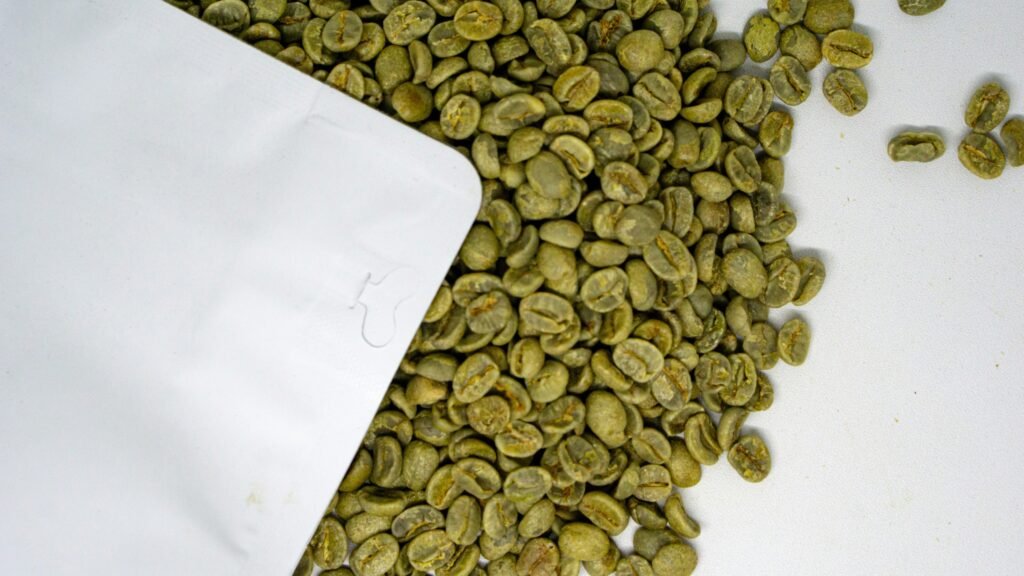
We believe that every cup of coffee tells a story, and for us, that story begins at the source. For too long, the journey of green coffee beans has been shrouded in a complex, often opaque, supply chain. But we, as conscientious coffee drinkers and creators, are increasingly seeking transparency, fairness, and of course, exceptional quality. This is why we’ve embraced direct trade green coffee suppliers, not just as a trend, but as a fundamental pillar of our brewing philosophy. When we talk about “ethical sourcing for quality brews,” we’re talking about a fundamental shift in how we connect with the very essence of our beloved beverage.
For decades, the standard model for bringing green coffee beans from the farm to our roasters has involved numerous intermediaries. We used to accept this as the norm, a necessary evil to get our coffee fix. This system, while functional, has often been characterized by a lack of direct connection and a significant disconnect between the farmer and the end consumer. We knew our coffee came from somewhere, but the specifics were often fuzzy, lost in layers of brokers, exporters, importers, and distributors.
The Role of Intermediaries: Layers of Separation
In the traditional model, we saw a long chain of individuals and companies between the coffee farmer and the roaster. There were local buyers who would purchase cherries directly from smallholder farmers, often at prices that offered little incentive for higher quality. These buyers would then sell to larger regional aggregators, who would further process and sort the beans before selling them to exporters. Exporters, working with foreign buyers, would then be responsible for shipping the beans. On the receiving end, importers would handle customs and domestic distribution, often selling to larger roasters who again might employ their own trading departments. Each step added cost, and more importantly, diffused the direct relationship and the potential for shared understanding and benefit.
The Impact on Farmers: Exploitation and Limited Growth
This multi-layered approach often left farmers at the mercy of fluctuating market prices and the purchasing power of intermediaries. Their hard work and dedication could easily be undervalued, leading to meager profits that stifled investment in their farms, their communities, and crucially, in sustainable and quality-focused cultivation practices. We’ve come to realize that this system often trapped farmers in a cycle of low returns, making it difficult for them to improve their yields, experiment with new varietals, or implement more sophisticated processing methods that could elevate the quality of their beans. Consequently, the incentive to produce truly exceptional coffee was often diminished.
The Domino Effect on Quality: A Compromise for Convenience
Without direct feedback loops and financial incentives tied to quality, there was little motivation for the entire chain to prioritize excellence. Once beans passed through several hands, the nuances of flavor and the specific characteristics developed through meticulous cultivation could easily be lost or overshadowed by the need for volume and standardization. The focus, for many in the traditional system, was on delivering coffee, not necessarily exceptional coffee. This meant that even if a farmer produced something truly special, it might get blended with lower-quality beans further down the line, diluting its potential and preventing it from reaching its full expression in the cup. We also found that consistent quality was a challenge because the feedback from roasters about specific flavor profiles or desired characteristics rarely reached the farmer directly.
For those interested in direct trade green coffee suppliers, a valuable resource can be found in the article detailing the practices and benefits of sourcing specialty coffee directly from producers. This article highlights the importance of building relationships with farmers and ensuring fair compensation, which ultimately leads to higher quality coffee. To learn more about this approach and its impact on the coffee industry, you can read the full article here: Direct Trade Green Coffee Suppliers.
The Rise of Direct Trade: Building Bridges, Not Barriers
The solution, we discovered, lay in dismantling these unnecessary layers and building direct relationships. Direct trade represents a conscious choice to bypass the traditional intermediaries and establish a direct link between us, the roasters, and the coffee producers. This is not just about cutting out the middleman; it’s about forging partnerships based on mutual respect, transparency, and a shared commitment to quality and ethical practices. We see it as a revolution, a move towards a more equitable and sustainable future for coffee.
What Constitutes Direct Trade? The Core Principles
For us, direct trade is defined by a direct commercial relationship between the roaster and the producer, or their designated representative. This means we are actively involved in sourcing, often traveling to origin, or working closely with trusted individuals on the ground who have established these relationships. It’s about understanding the origin story of our beans, the people behind them, and the journey they take before they reach our roastery. The key principles we adhere to are transparency in pricing, direct communication, and a commitment to fair compensation that goes beyond just the commodity market price.
The Benefits for Us as Roasters: Unlocking True Potential
The advantages of direct trade for us are numerous and profound. Firstly, it grants us unparalleled access to unique and high-quality coffee. By working directly with farmers, we can identify producers who are passionate about cultivating exceptional beans and invest in understanding their specific needs and their unique terroirs. This allows us to source micro-lots and varietals that might otherwise never see the light of day in the broader market. Secondly, it allows us to exert greater control over the quality of the beans we purchase. We can work with farmers on drying methods, fermentation techniques, and sorting protocols that align with our quality standards. This direct influence significantly impacts the flavor profiles we can achieve in our roasts.
The Impact on Producers: Empowerment and Sustainable Growth
For the farmers, direct trade offers a pathway to greater economic empowerment and sustainable growth. When we engage in direct trade, we often pay prices that are significantly higher than those offered by traditional buyers, reflecting the true value of their hard work and the quality of their coffee. This premium allows farmers to invest in their farms, improve their infrastructure, adopt more sustainable farming practices, and provide better living conditions for their families and workers. It fosters a sense of pride and encourages them to experiment with innovative techniques that further enhance the quality of their coffee, creating a virtuous cycle of improvement.
Ethical Sourcing: Beyond Fair Trade Labels, Towards True Equity

Ethical sourcing, to us, is not just a buzzword; it’s the moral compass guiding our purchasing decisions. While certifications like Fair Trade have an important role, we believe that direct trade allows us to go even deeper, fostering relationships built on genuine equity and shared values. We’re talking about a level of care and consideration that transcends mere compliance.
Fair Compensation: Valuing the Labor and Expertise
In a direct trade model, we are committed to paying prices that accurately reflect the labor, skill, and dedication that go into producing high-quality coffee. This often means paying above market value, ensuring that farmers are adequately compensated for their efforts, and that they can thrive, not just survive. We often establish long-term contracts with farmers, providing them with financial stability and the security to plan for the future. This commitment goes beyond a single purchase; it’s about building a lasting partnership that supports their livelihoods.
Transparency in Pricing: Unveiling the True Cost
Transparency is a cornerstone of our ethical sourcing. We believe that both we and the producers should have a clear understanding of how the final price is determined. This often involves open discussions about production costs, processing expenses, and the market value of their exceptional coffee. This open dialogue builds trust and ensures that the farmer is receiving a fair share of the value generated throughout the supply chain. We often share information about our own costs and markups, fostering a sense of shared responsibility and partnership.
Environmental Sustainability: Nurturing the Land for Future Generations
Our ethical commitment extends to the environment. We prioritize working with producers who are dedicated to sustainable farming practices. This includes methods that promote biodiversity, conserve water, protect soil health, and minimize the use of harmful chemicals. We seek out partnerships with farms that are implementing agroforestry, organic farming, and other regenerative agriculture techniques. This not only benefits the environment but also contributes to the long-term health and productivity of the coffee-growing land, ensuring that high-quality coffee can be produced for generations to come. We may even offer incentives for farmers who adopt specific environmentally friendly practices.
Social Responsibility: Investing in Communities and People
Beyond environmental concerns, we are deeply invested in the social well-being of coffee-producing communities. We seek out producers who prioritize fair labor practices, provide safe working conditions, and contribute to the education and development of their communities. This might involve supporting local schools, healthcare initiatives, or community development projects. We believe that ethical sourcing means ensuring that the people who grow our coffee are treated with dignity and respect, and that their communities are thriving. We often engage in conversations with farmers about their social priorities and look for ways to support their local initiatives.
From Farm to Cup: The Journey of Quality Green Coffee

The transformation of green coffee beans from raw agricultural product to the basis of our exquisite brews is a meticulous process, and direct trade allows us to be more intimately involved in every step. We understand that the quality of the final cup is directly influenced by the care and expertise applied from the moment the cherry is picked.
Cultivation and Harvesting: The Foundation of Flavor
The quality of our coffee begins with the fundamental choices made on the farm. We partner with producers who are deeply knowledgeable about their land and their coffee varietals, understanding the subtle differences that each brings to the flavor profile. They practice careful cultivation techniques, ensuring healthy plants and optimal growing conditions. The harvesting process is equally crucial. We seek out farms that employ selective picking, where only ripe cherries are chosen. This ensures that the sugars and flavor precursors are at their peak, laying the groundwork for a truly exceptional bean. We actively discuss harvesting schedules and ripeness indicators with our farming partners to ensure consistency.
Processing Methods: Unlocking the Bean’s Potential
Once harvested, the processing of the coffee cherry plays a pivotal role in shaping the final flavor. Direct trade allows us to work closely with producers to ensure they are employing processing methods that highlight the unique characteristics of their beans.
Washed Process: Clarity and Acidity
Some of our partners utilize the washed process, where the fruit pulp is removed before the beans are dried. This method typically results in a cleaner, brighter cup with a pronounced acidity and distinct varietal flavors. We ensure that the washing stations are well-maintained and that the water used is managed responsibly.
Natural Process: Sweetness and Complexity
Other producers excel at the natural process, where the entire cherry is dried with the bean inside. This method often imparts intense sweetness, fruity notes, and a more complex, wine-like character to the coffee. We work with producers who have the expertise to manage the drying process effectively, preventing defects and achieving optimal flavor development.
Honey Process: A Balance of Sweetness and Acidity
We also encounter producers who specialize in the honey process, a middle ground between washed and natural. Here, some or all of the mucilage is left on the bean during drying. This results in a beautiful balance of sweetness and acidity, with notes that can range from fruity to caramel-like. Understanding the specific variations of honey processing – red, yellow, black – allows us to select coffees with nuanced flavor profiles.
Drying and Resting: Patience for Perfection
After processing, the green coffee beans must be dried to a specific moisture content to ensure stability and prevent spoilage. We value producers who understand the critical importance of proper drying, whether on raised beds, patios, or using mechanical dryers. We also look for farms that allow the beans to rest after drying, allowing the flavors to stabilize and mature before shipping. This period of rest is crucial for developing the complexity that we seek in our brews.
Quality Control: Our Vigilance Before Roasting
Our commitment to quality doesn’t end at the farm. Upon arrival at our roastery, we conduct rigorous quality control checks. This includes visual inspections for defects, cupping (tasting) sessions to evaluate the flavor profile, and even laboratory analysis if necessary. This meticulous attention to detail ensures that only the finest beans make it into our roaster, ready to be transformed into the delicious coffee you enjoy.
For those interested in exploring sustainable sourcing options, a great resource is the article on direct trade green coffee suppliers. This piece provides valuable insights into the benefits of establishing direct relationships with coffee producers, ensuring fair compensation and high-quality beans. You can read more about it in the article found here, which highlights the importance of transparency and ethical practices in the coffee industry.
The Direct Trade Advantage: Elevating Our Brewing and Our Appreciation
| Supplier Name | Location | Quality Score | Volume Supplied (kg) |
|---|---|---|---|
| Supplier A | Colombia | 92 | 5000 |
| Supplier B | Ethiopia | 88 | 7000 |
| Supplier C | Brazil | 90 | 6000 |
Embracing direct trade has fundamentally changed not only how we source our coffee but also how we approach the art and science of roasting and brewing. It’s a continuous learning process, a journey of discovery that enriches our understanding and our passion.
Deeper Flavor Profiles: Unlocking Nuance and Character
The most tangible benefit for us is the ability to access and roast coffees with truly exceptional and nuanced flavor profiles. By working directly with producers who prioritize quality, we can source beans with distinct characteristics – from bright citrus notes and delicate floral aromas to rich chocolate undertones and complex spice. This direct connection allows us to understand the origin and processing, which in turn informs our roasting decisions, enabling us to unlock the full potential of each bean and present it to you in its most vibrant form.
Consistent Quality: Building a Reliable Foundation
Direct trade fosters a level of consistency that is often difficult to achieve through traditional channels. Because we build long-term relationships and have direct insight into the farming and processing methods, we can establish reliable expectations for quality. This means that the coffee you love from a particular origin or producer will likely be consistently excellent, cup after cup, year after year. This reliability is vital for building trust with our customers and for creating a predictable and enjoyable coffee experience.
Innovation and Experimentation: Pushing the Boundaries of Coffee
Our direct relationships with producers open doors to innovation and experimentation. We can collaborate with them on exploring new varietals, trialing different processing techniques, or implementing sustainable farming practices. This collaborative spirit allows us to constantly discover new and exciting coffees and to push the boundaries of what is possible in the coffee world. We are not just buyers; we are partners in progress.
Building a Community of Coffee Lovers: Sharing the Story
For us, direct trade is also about building a community. By sharing the stories of the farmers, their farms, and their dedication, we connect our customers to the origins of their coffee. This fosters a deeper appreciation for the beverage, highlighting the human element and the incredible effort that goes into every cup. We believe that when you understand the journey, you taste the difference. It’s about creating a shared experience that goes beyond just consumption, inviting everyone into the narrative of ethical and exceptional coffee. We are all part of this growing and evolving coffee narrative.
FAQs
What is direct trade green coffee?
Direct trade green coffee refers to the practice of coffee roasters sourcing their beans directly from coffee producers, cutting out middlemen and brokers. This allows for a more transparent and mutually beneficial relationship between the roaster and the producer.
What are the benefits of direct trade green coffee?
Direct trade green coffee offers several benefits, including higher prices for the producers, better quality control, increased transparency, and the opportunity for roasters to develop long-term relationships with coffee producers.
How do direct trade green coffee suppliers differ from other coffee suppliers?
Direct trade green coffee suppliers differ from other coffee suppliers in that they prioritize direct relationships with coffee producers, paying higher prices for the beans and ensuring better working conditions for the farmers.
What criteria should be considered when choosing a direct trade green coffee supplier?
When choosing a direct trade green coffee supplier, it’s important to consider factors such as the supplier’s commitment to transparency, their relationships with coffee producers, the quality of the beans, and their ethical and sustainable practices.
What are some examples of direct trade green coffee suppliers?
Some examples of direct trade green coffee suppliers include companies like Counter Culture Coffee, Intelligentsia Coffee, and Stumptown Coffee Roasters, who have established direct relationships with coffee producers and prioritize transparency and fair pricing.