
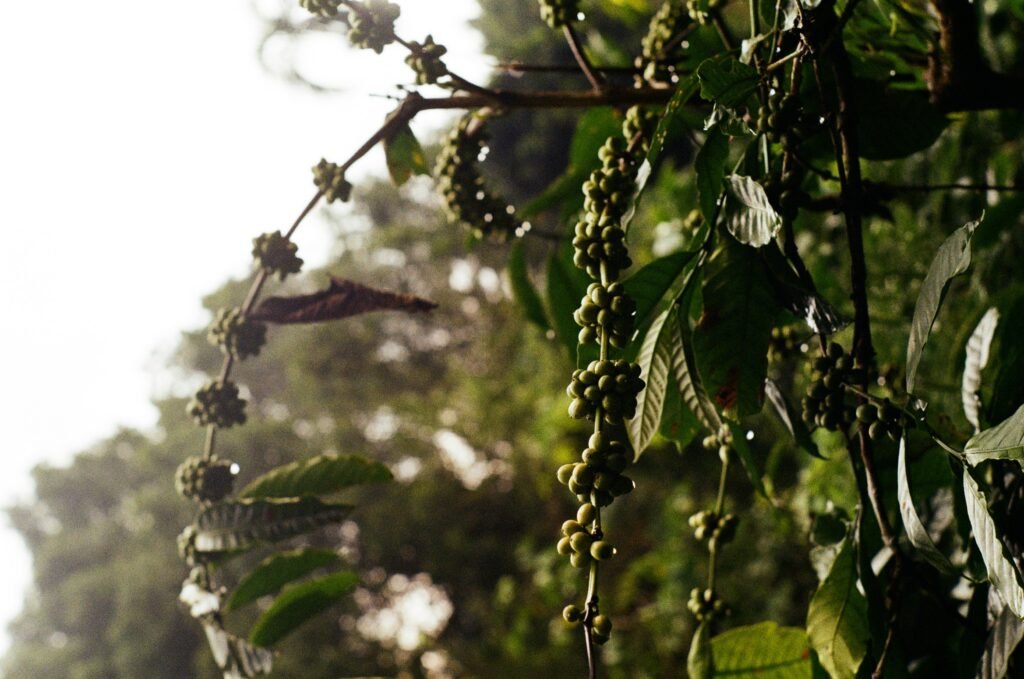
We, as fervent followers of the global coffee trade, have witnessed a remarkable surge in the demand for Indonesian green coffee beans. This isn’t just a fleeting trend; it’s a testament to the archipelago’s rich biodiversity, dedicated farming communities, and a growing understanding of quality across the supply chain. Indonesia, with its unique microclimates and traditional cultivation methods, offers a spectrum of flavors that captivate connoisseurs and roasters alike. Our observations highlight a burgeoning market, driven by a global appetite for specialty coffee and an increasing appreciation for sustainable and ethically sourced products.
Our journey into the world of Indonesian coffee consistently reinforces one truth: its enduring appeal. From the volcanic soils of Sumatra to the high altitudes of Sulawesi, each region imparts a distinct character to the bean. This diversity is a major draw for roasters seeking unique flavor profiles to offer their discerning customers. We’ve seen how centuries of coffee cultivation, often passed down through generations, have honed the skills of local farmers, resulting in beans that are not only delicious but also culturally significant.
A Symphony of Flavors and Aromas
When we evaluate Indonesian green coffee beans, we’re not just looking at a commodity; we’re discovering a symphony of flavors and aromas. We encounter notes of earthy richness from Mandheling, bright citrus from Gayo, and complex spice from Toraja. These unique characteristics are what set Indonesian coffee apart in a crowded global market. We often find ourselves discussing the nuanced acidity, the full body, and the memorable finish that are hallmarks of well-processed Indonesian beans.
Traditional Cultivation Methods and Sustainability
We are particularly drawn to the traditional cultivation methods employed by Indonesian farmers. Many smallholder farms still adhere to organic practices, utilizing natural fertilizers and integrated pest management. This not only contributes to the superior quality of the beans but also aligns with the growing global demand for sustainable and environmentally friendly products. We believe that supporting these methods is crucial for the long-term viability of the industry.
The Rise of Specialty Coffee
Our collective experience in the coffee industry reveals a clear trend: the rise of specialty coffee. Consumers are becoming more educated and discerning, actively seeking out unique origins and traceable beans. Indonesian green coffee, with its intricate flavor profiles and compelling stories, is perfectly positioned to capitalize on this growing market segment. We see more and more roasters, from small-batch artisans to established brands, incorporating Indonesian origins into their specialty offerings.
Indonesian green coffee bean exporters play a crucial role in the global coffee market, providing high-quality beans that are sought after by roasters and consumers alike. For those interested in learning more about the best suppliers of Java Preanger coffee, a related article can be found at this link. This resource offers insights into the top exporters and highlights the unique qualities of Java Preanger coffee, making it a valuable read for coffee enthusiasts and industry professionals.
Key Regions and Their Distinct Contributions
As we delve deeper into the Indonesian coffee landscape, we realize that the country is not a monolithic entity but a collection of distinct coffee-producing regions, each contributing its own unique flavor to the global palate. Our understanding of these regions allows us to appreciate the true breadth of Indonesian coffee.
Sumatra: Home of the Bold and Earthy
When we think of Sumatran coffee, we immediately envision bold, earthy, and sometimes even spicy notes. The renowned Mandheling, Gayo, and Lintong varieties are staples in the specialty coffee world. We often find ourselves describing the almost syrupy body and low acidity that define these exceptional beans.
Mandheling and Lintong: The Wet-Hulled Wonders
We’ve observed that the wet-hulled processing method, or giling basah, is a defining characteristic of many Sumatran coffees, particularly Mandheling and Lintong. This unique process, where the parchment is removed while the beans are still wet, contributes to their distinctive earthy and sometimes funky (in a good way!) flavor profiles. We understand that this method, while requiring careful execution, plays a significant role in creating the renowned Sumatran taste.
Gayo: The Highlands’ Brightness
In stark contrast to some of its Sumatran counterparts, Gayo coffee, cultivated in the highlands of Aceh, often surprises us with its brighter acidity and cleaner finish. We often taste notes of chocolate, nuts, and even a hint of fruit. The cooperative structures in the Gayo region are particularly impressive, fostering community development and consistent quality control.
Java and Sulawesi: Expanding the Flavor Spectrum
Beyond Sumatra, our explorations take us to the islands of Java and Sulawesi, where different microclimates and processing methods yield equally captivating coffees, albeit with different characteristics.
Java: The Classic and the Modern
We recognize Java as one of the oldest coffee-producing regions in Indonesia, boasting a rich history. While traditionally known for its heavily fermented “Old Java” coffees, we’re now seeing a resurgence of washed Javanese beans with clean, bright profiles. This shift demonstrates the adaptability and innovation within the Indonesian coffee sector.
Sulawesi Toraja: The Spicy and Complex
Sulawesi Toraja coffee consistently impresses us with its complexity. We often detect notes of baking spices, dark chocolate, and a pleasant herbaceousness. The unique agroforestry systems and traditional processing methods in Toraja contribute to its distinctive character, making it a favorite among discerning roasters.
Challenges and Opportunities for Exporters

Despite the immense potential, we recognize that Indonesian green coffee bean exporters face a unique set of challenges. However, we also see numerous opportunities for growth and innovation, particularly through collaboration and strategic planning.
Infrastructure and Logistics
One of the primary challenges we’ve observed is the fragmented infrastructure and logistical complexities across the archipelago. Transporting beans from remote farms to export hubs can be costly and time-consuming. We believe that investments in road networks, port facilities, and efficient supply chain management are crucial for streamlining operations.
Navigating the Archipelago
We understand the geographical challenges inherent in exporting from a country composed of thousands of islands. This necessitates a robust and well-coordinated logistics network, involving everything from small boats to larger cargo vessels. We’ve seen exporters creatively navigate these challenges, often partnering with local logistics providers to ensure timely and safe delivery.
Quality Control and Consistency
Maintaining consistent quality across a vast network of smallholder farmers can be a significant hurdle. We acknowledge that variations in processing methods, drying techniques, and storage conditions can impact the final product. We advocate for stronger farmer education programs and the implementation of standardized quality control protocols.
The Role of Processing Centers
We’ve observed the emergence of centralized processing centers as a promising solution to enhance quality consistency. These centers provide farmers with access to modern equipment and expertise, ensuring that beans are processed to optimal standards before reaching the export market. We believe this model benefits both farmers and exporters by improving overall product quality and market value.
Market Access and Fair Pricing
While demand for Indonesian coffee is growing, we recognize that many small-scale farmers still struggle with market access and securing fair prices for their beans. We believe that exporters have a crucial role to play in building transparent and equitable supply chains.
Direct Trade Initiatives
We are enthusiastic proponents of direct trade initiatives, which allow roasters to bypass intermediaries and establish direct relationships with farmers. This not only ensures better prices for growers but also fosters trust and transparency throughout the supply chain. We’ve seen these initiatives lead to significant improvements in both the economic well-being of farmers and the quality of the coffee.
The Role of Exporters in Driving Growth

We firmly believe that Indonesian green coffee bean exporters are more than just intermediaries; they are catalysts for growth, bridging the gap between local farmers and global markets. Their role in building relationships, ensuring quality, and promoting sustainable practices is invaluable.
Building Relationships with Farmers
Our interactions with successful exporters reveal a common thread: strong, long-term relationships with farmers. These relationships are built on trust, respect, and a shared commitment to quality. We’ve seen how exporters provide technical assistance, financial support, and market information, empowering farmers to improve their yields and quality.
Training and Capacity Building
We advocate for exporters to actively invest in training and capacity building programs for farmers. This includes sharing best practices in cultivation, harvesting, and processing, as well as educating them about market trends and quality requirements. We believe that empowering farmers with knowledge is key to long-term success.
Ensuring Quality and Traceability
Exporters play a critical role in ensuring the quality and traceability of Indonesian green coffee beans. They act as the first line of defense, meticulously inspecting and grading beans before export. We’ve witnessed how rigorous quality control measures, along with detailed documentation, provide confidence to international buyers.
Beyond Certification: The Value of Transparency
While certifications like organic and fair trade are important, we also emphasize the value of transparency that goes beyond labels. Exporters who provide detailed information about the origin, processing, and even the individual farms from which their beans originate build greater trust and command premium prices. We believe this level of transparency is becoming increasingly important to ethical consumers.
Marketing and Brand Building
In a competitive global market, effective marketing and brand building are essential for Indonesian green coffee. Exporters are at the forefront of showcasing the unique stories and exceptional flavors of their origins. We’ve seen how compelling narratives and visually appealing branding can significantly elevate the profile of Indonesian coffee.
Highlighting Unique Terroir and Processing
We consistently encourage exporters to highlight the unique terroir and processing methods that contribute to the distinctiveness of Indonesian coffee. Whether it’s the volcanic soil of Java or the traditional wet-hulled process of Sumatra, emphasizing these attributes creates a powerful narrative that resonates with buyers.
Indonesian green coffee bean exporters play a crucial role in the global coffee market, providing high-quality beans that are sought after for their unique flavors and characteristics. For those interested in exploring the potential of Indonesian coffee, a related article discusses the benefits of private label coffee from Indonesia, highlighting how businesses can leverage these premium beans to create their own unique blends. You can read more about this opportunity in the article on private label coffee.
Future Outlook: A Bright and Sustainable Path
| Exporter Name | Quantity Exported (in tons) | Destination Countries |
|---|---|---|
| PT Volcafe Indonesia | 500 | United States, Japan, Germany |
| PT Indokom Citra Persada | 300 | Italy, Australia, South Korea |
| PT Taman Delta Indonesia | 400 | Netherlands, Singapore, Canada |
As we look towards the future, we are optimistic about the continued growth and development of the Indonesian green coffee bean export market. We foresee a future where sustainability, innovation, and direct relationships will be at the forefront of the industry.
Embracing Technological Advancements
We believe that embracing technological advancements will be crucial for Indonesian exporters. This includes utilizing digital platforms for market access, leveraging data analytics for informed decision-making, and exploring automation in processing where appropriate. We’ve seen how technology can streamline operations and open up new markets.
Blockchain for Transparency
We are particularly excited about the potential of blockchain technology to enhance transparency and traceability in the coffee supply chain. Imagine a system where consumers can scan a QR code on a bag of coffee and instantly access information about its journey from farm to cup. We believe this level of transparency will foster greater trust and value.
Focus on Sustainable and Ethical Practices
The global demand for sustainably and ethically sourced products is only going to grow. We anticipate that Indonesian exporters who prioritize environmental stewardship, fair labor practices, and community development will gain a significant competitive advantage. We believe this is not just a trend but a fundamental shift in consumer values.
Environmental Conservation Initiatives
We actively support exporters who engage in environmental conservation initiatives, such as reforestation projects, water management programs, and biodiversity protection. These efforts not only contribute to a healthier planet but also enhance the long-term viability of coffee cultivation.
Diversification and Value-Added Products
While green coffee remains the primary export, we see opportunities for diversification and value-added products. This could include roasted coffee, instant coffee, or even coffee-based food and beverage items. This diversification could create new revenue streams and enhance the economic resilience of the industry.
Specialty Roasting Operations
We’ve observed a growing trend of Indonesian exporters venturing into specialty roasting themselves. This allows them to capture more value along the supply chain and directly connect with consumers, offering a fully integrated coffee experience from bean to cup. We believe this forward integration can be a powerful strategy for growth.
In conclusion, our collective experience in the coffee world paints a vibrant picture of Indonesian green coffee bean exporters. They are navigating a dynamic market with determination, showcasing the incredible diversity and quality that Indonesia has to offer. While challenges persist, the opportunities for growth, driven by sustainability, innovation, and direct relationships, are immense. We are confident that Indonesian coffee will continue to carve out an even more prominent and cherished place on the global stage, enriching the lives of both producers and consumers alike.
FAQs
What are Indonesian green coffee beans?
Indonesian green coffee beans are unroasted coffee beans that are grown and harvested in Indonesia. They are known for their unique flavors and are sought after by coffee enthusiasts and roasters around the world.
What makes Indonesian green coffee beans unique?
Indonesian green coffee beans are known for their full-bodied and earthy flavors, often with hints of spice and chocolate. They are also prized for their low acidity and smooth, lingering finish.
Who are the major exporters of Indonesian green coffee beans?
Some of the major exporters of Indonesian green coffee beans include PT. Indokom Citra Persada, PT. Taman Delta Indonesia, and PT. Tristar Indo Perkasa. These companies work directly with coffee farmers to source and export high-quality green coffee beans.
What are the main regions in Indonesia known for producing green coffee beans?
Some of the main regions in Indonesia known for producing green coffee beans include Sumatra, Java, Sulawesi, and Bali. Each region has its own unique microclimate and soil composition, resulting in distinct flavor profiles in the coffee beans.
What are the export regulations for Indonesian green coffee beans?
Export regulations for Indonesian green coffee beans include obtaining necessary permits and certifications, adhering to quality standards, and complying with international trade regulations. Exporters must also ensure proper packaging and labeling of the green coffee beans for shipment.