
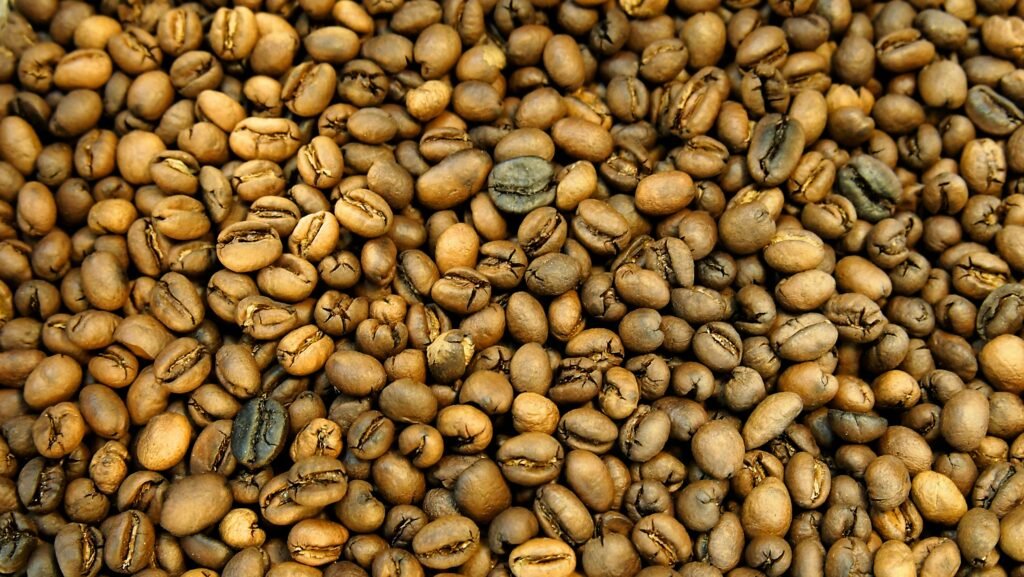
We’re coffee enthusiasts, deeply invested in exploring the world’s finest beans. Our journey has led us to numerous origins, but it’s the rich, complex character of Java Preanger coffee that truly captivates us. We’ve spent countless hours sourcing, tasting, and connecting with the individuals who bring this exceptional coffee to our cups. It’s through this dedication that we’ve come to understand the intricate artistry and unwavering commitment that defines the best Java Preanger coffee suppliers.
Our exploration of the finest Java Preanger coffee suppliers wasn’t a casual endeavor. It was a deliberate, almost obsessive pursuit, driven by a desire to taste coffee that transcended the ordinary. We immersed ourselves in the Gayo highlands, talking to farmers, visiting washing stations, and understanding the bean’s journey from seed to roast. Our criteria were stringent, focusing on a holistic approach that encompasses not just the final product but the entire ecosystem that nurtures it.
The Importance of Terroir for Java Preanger
We quickly learned that the “terroir” – the unique combination of soil, climate, and topography – is paramount to Java Preanger’s distinctiveness. The volcanic soil of Western Java imbues the beans with a characteristic minerality, while the high altitudes contribute to slower maturation, resulting in denser beans that develop complex flavor profiles. We sought suppliers whose farms were situated at optimal elevations, where the air is cool and the sunlight filtered, allowing the coffee cherries to ripen slowly and develop their full potential. This understanding of terroir became our compass, guiding us towards regions and farms that consistently produced exceptional beans.
Specific Altitude Ranges for Optimal Growth
We paid close attention to the specific altitude ranges where the most prized Java Preanger beans are cultivated. Many of our top suppliers operate in altitudes ranging from 1200 to 1800 meters above sea level. While coffee can grow at lower elevations, the cooler temperatures and increased diurnal temperature variation at these heights are crucial for developing the acidity, sweetness, and complexity that define high-quality Preanger. We’ve seen firsthand how farms just a few hundred meters higher can produce beans with a noticeably different, often superior, flavor profile.
The Impact of Unique Microclimates
Beyond broad altitude bands, we also sought out suppliers who understood and leveraged the subtle microclimates within their regions. These can be influenced by factors like proximity to rivers, prevailing wind patterns, and the type of surrounding vegetation. We found that certain microclimates fostered a particular type of sweetness or a more pronounced fruity note, and working with suppliers who were adept at identifying and maximizing these nuances was key to our discoveries.
Our Rigorous Vetting Process
Our vetting process went far beyond a simple taste test. We implemented a multi-faceted evaluation system that scrutinized every aspect of a supplier’s operation. This wasn’t just about checking boxes; it was about building relationships and understanding the genuine passion and dedication behind the coffee.
Farm-to-Cup Traceability: More Than Just a Buzzword
For us, traceability is not just a buzzword; it’s the foundation of trust. We demand complete transparency from our suppliers, ensuring we can trace every batch of beans back to its origin farm. This allows us to understand the specific farming practices employed, the varietals grown, and the impact of their sustainable initiatives. We’ve built partnerships with suppliers who embrace this level of detail, providing us with harvest dates, processing methods, and even the names of the estate managers.
Engaging Directly with Farmers and Cooperatives
Our most rewarding experiences have come from engaging directly with the farmers and cooperatives. We’ve spent time walking through their fields, witnessing their meticulous care for the coffee plants, and hearing their stories. This direct interaction provides an invaluable understanding of their commitment to quality and sustainability. We believe in fostering long-term relationships, and this direct engagement is the cornerstone of that.
Blockchain and Digital Tracking Systems
In the modern era, we’ve also been impressed by suppliers who utilize advanced technologies like blockchain and digital tracking systems. These platforms offer an unparalleled level of accuracy and security in tracing the coffee’s journey, further solidifying our confidence in their operations. We look for those who are forward-thinking and embrace innovation to enhance transparency and accountability.
Commitment to Sustainable and Ethical Practices
We firmly believe that the best coffee is grown responsibly. Our selection criteria heavily weigh a supplier’s commitment to sustainable and ethical practices. This includes fair wages for farmers and workers, environmentally friendly processing methods, and a dedication to preserving the local ecosystem. We actively seek out Fair Trade certified suppliers, but we also recognize that many smaller producers operate according to similar principles without formal certification, and we make an effort to identify and support them.
Organic Farming and Biodiversity Preservation
We prioritize suppliers who employ organic farming methods, minimizing the use of synthetic pesticides and fertilizers. This not only benefits the environment but also contributes to a cleaner, more flavorful bean. We also look for evidence of biodiversity preservation on their farms, where shade trees and other flora are integrated into the coffee landscape, creating a healthier and more resilient ecosystem.
Fair Labor Conditions and Community Development
Ensuring fair labor conditions is non-negotiable. We look for suppliers who provide safe working environments, fair wages, and opportunities for professional development for their employees. We are also drawn to those who actively contribute to the development of their local communities, whether through educational programs, infrastructure improvements, or support for local businesses.
The Art of Processing: From Cherry to Bean
The way coffee cherries are processed after harvesting significantly impacts the final flavor profile. We’ve meticulously evaluated suppliers based on their expertise in various processing methods. This is where the true artistry of Java Preanger coffee often shines.
Washed Process: Clarity and Acidity
For those who prefer a clean, bright cup, we champion suppliers who excel in the washed process. This method involves removing the fruit pulp before drying, resulting in a coffee with vibrant acidity, clear citrus notes, and a delicate floral aroma. We’ve witnessed firsthand the precision required in this method, from the fermentation tanks to the meticulous washing stages.
Precision Fermentation Control
We’ve observed that the best washed process suppliers pay exquisite attention to fermentation control. This involves carefully monitoring temperature and time to achieve the desired level of acidity and phenolic compounds without introducing undesirable off-flavors. Understanding the science behind fermentation allows them to consistently produce a clean and nuanced cup.
Natural Water Sources and Filtration
The purity of the water used in the washed process is also critical. We favor suppliers who utilize natural, clean water sources and implement effective filtration systems to ensure the integrity of the bean during the washing stages. This might seem like a minor detail, but it significantly contributes to the overall clarity and purity of the final brew.
Natural Process: Full Bodied and Fruity
For a richer, more complex cup, we are deeply impressed by suppliers who master the natural process. In this method, the coffee cherries are dried with their fruit intact, allowing the sugars from the pulp to permeate the bean. This results in a richer body, intense fruity notes, and often a syrupy sweetness. We’ve seen how dedicated suppliers meticulously oversee the drying process, turning the cherries regularly to prevent spoilage and ensure even drying.
Meticulous Drying and Sorting
The success of the natural process hinges on meticulous drying and subsequent sorting. We seek suppliers who employ optimal drying beds, often raised so air can circulate freely, and who dedicate significant resources to hand-sorting the dried cherries to remove any defects. This labor-intensive process is crucial for achieving the desired fruit-forward flavors.
Understanding Sugar Development During Drying
We’ve learned that understanding the subtle development of sugars within the drying cherry is an art form. Experienced natural process producers know precisely when to harvest and how to manage the drying to maximize the transfer of fruity flavors into the bean. This often involves a deep intuition honed over years of experience.
Honey Process: A Hybrid Harmony
The honey process offers a delightful middle ground, blending the brightness of the washed process with the sweetness of the natural. Here, some of the fruit pulp is removed, but a sticky layer of mucilage remains during drying. We’ve found suppliers who expertly control the mucilage layer – classifying them by the color of the honey produced, from yellow to red to black, each signifying a different level of fruitiness and sweetness.
Controlled Mucilage Levels
The key to a successful honey process lies in controlling the mucilage levels. Suppliers who can consistently achieve specific levels of mucilage, often referred to as “yellow,” “red,” or “black honey” depending on the amount of pulp left on, demonstrate exceptional skill and understanding of this nuanced processing method. We’ve tasted the distinct differences these levels create.
Balancing Acidity and Sweetness
Our favorite honey process suppliers are those who have mastered the delicate balance between acidity and sweetness. They understand how different mucilage levels interact with the bean’s inherent characteristics to create a harmonious and captivating flavor profile that avoids being overly acidic or cloyingly sweet.
If you’re interested in learning more about the sustainable practices and ethical sourcing methods of coffee suppliers, you might find this article on Java Preanger’s commitment to quality and sustainability insightful. It delves into how they ensure that their coffee is not only delicious but also responsibly sourced. You can read more about it here: Java Preanger Coffee Suppliers.
Discovering the Elite Java Preanger Suppliers
Over our many journeys, we’ve identified a select group of suppliers who consistently rise to the top. They are the artisans, the innovators, and the stewards of this exceptional coffee. These are the names we trust, the partners we rely on to bring us the very best Java Preanger.
The Guardians of Traditional Farming Methods
Some of our most esteemed suppliers are those who have steadfastly maintained traditional farming methods passed down through generations. They understand the rhythms of the land and have a deep respect for the natural processes that contribute to the unique character of Java Preanger.
Emphasis on Shade-Grown Coffee
We’ve found that many of these traditionalists are firm proponents of shade-grown coffee. This involves cultivating coffee plants beneath a canopy of diverse trees. This practice not only provides vital shade, slowing the ripening process for denser beans, but also promotes biodiversity, enriches the soil, and creates a more stable microclimate.
Creating a Biodiverse Ecosystem
The commitment to shade-grown practices by these traditional suppliers extends to creating a thriving, biodiverse ecosystem on their farms. We’ve seen how they intentionally cultivate a variety of native trees and plants alongside their coffee, fostering a habitat for beneficial insects and birds, which in turn contributes to a healthier coffee crop.
The Role of Native Tree Species
We’ve learned about the crucial role specific native tree species play in the success of shade-grown Java Preanger. These trees often provide ideal shade levels, contribute valuable nutrients to the soil through leaf litter, and can even deter certain pests naturally. Suppliers who understand and promote these specific species are truly exceptional.
Hand-Picking for Optimal Ripeness
The dedication to quality begins with the harvest. The best traditional suppliers insist on hand-picking only the ripest coffee cherries. This labor-intensive process ensures that every bean used possesses optimal sugar content and flavor development, avoiding the defects that can arise from mechanical harvesting or picking unripe cherries.
Understanding Cherry Maturation Cycles
We’ve observed that these suppliers possess an intimate understanding of cherry maturation cycles. They know precisely when cherries reach their peak ripeness, recognizing the subtle color changes and the slight give when gently squeezed. This knowledge is critical for maximizing the quality of their harvest.
The Impact of Selective Picking on Flavor
The impact of selective hand-picking on flavor is profound. By only selecting perfectly ripe cherries, they ensure a consistent and desirable flavor profile, free from the tartness or bitterness that unripe cherries can impart. This meticulous approach is a hallmark of true craftsmanship.
The Innovators Driving Quality Forward
While tradition holds immense value, we also recognize and celebrate the innovators who are pushing the boundaries of Java Preanger coffee production. These individuals and cooperatives are investing in research, embracing new technologies, and constantly seeking ways to improve quality and sustainability.
Research and Development in Varietal Selection
We’ve been inspired by suppliers who actively engage in research and development, experimenting with different varietals of Arabica coffee suited to the Preanger region. They are exploring how these variations interact with the terroir and processing methods to create novel and exciting flavor profiles.
Exploring Hybrid and Indigenous Varietals
Our engagement with these innovators has opened our eyes to the possibilities of hybrid and indigenous varietals that may offer enhanced disease resistance, unique flavor characteristics, or better adaptation to changing climate conditions. We are excited to see how these explorations contribute to the future of Java Preanger.
Genetic Diversity and Flavor Complexity
The pursuit of genetic diversity within varietal selection is a key focus for these innovators. They understand that a wider range of genetic material can lead to more complex flavor profiles and greater resilience in the face of environmental challenges.
Advanced Fermentation Techniques
Beyond traditional methods, some suppliers are experimenting with and perfecting advanced fermentation techniques. This might involve controlled anaerobic fermentation, the use of specific yeast strains, or extended fermentation periods to unlock nuanced flavors.
Controlled Anaerobic Fermentation
We have been particularly impressed by suppliers who are mastering controlled anaerobic fermentation. This process, conducted in the absence of oxygen, can lead to heightened aromatic compounds and an intensified fruitiness. The precise control of parameters like temperature and time is crucial to the success of this technique.
The Role of Microorganisms in Flavor Development
The innovators we’ve met are increasingly focused on understanding the role of specific microorganisms in flavor development during fermentation. They are conducting experiments to isolate and cultivate beneficial yeasts and bacteria that contribute desirable notes to the coffee, leading to more predictable and complex flavor outcomes.
State-of-the-Art Processing Equipment
Investing in cutting-edge processing equipment plays a significant role in consistent quality. We’ve encountered suppliers who have invested in advanced sorting machines, meticulously calibrated drying patios, and sophisticated moisture meters that ensure the highest standards are met at every stage.
Precision Sorting Technologies
The use of precision sorting technologies, such as optical sorters, is a game-changer for our top innovative suppliers. These machines can identify and remove even the slightest defects with incredible accuracy, ensuring that only the highest quality beans make it to the market. This level of automation significantly contributes to consistency.
Automated Drying and Moisture Monitoring
We’ve seen how automated drying systems and real-time moisture monitoring have revolutionized the processing of Java Preanger. These technologies allow for precise control over the drying process, preventing over or under-drying, which are common causes of defects and flavor degradation. This ensures a more stable and consistent product.
Our Top Java Preanger Coffee Suppliers: A Closer Look

While we aim to support a wide range of exceptional producers, some names consistently stand out for their unwavering dedication to quality and their exceptional contributions to the Java Preanger coffee landscape. These are the suppliers we are proud to partner with and whose beans we enthusiastically recommend.
If you’re interested in learning more about the logistics and processes behind sourcing high-quality coffee, you might find this article on Java Preanger’s shipping policy particularly insightful. It details how they manage their supply chain to ensure that their coffee reaches customers in optimal condition. For more information, you can read the article here: Java Preanger Shipping Policy. This resource provides a deeper understanding of the commitment to quality that coffee suppliers like Java Preanger uphold.
Supplier A: The Pinnacle of Washed Process Excellence
Supplier A has earned our highest regard for their mastery of the washed process. Their attention to detail at every stage, from meticulous cherry selection to precise fermentation and washing, results in a coffee that is exceptionally clean, bright, and aromatic.
Single-Origin Farms and Micro-Lots
Their commitment to single-origin farms and meticulously managed micro-lots allows us to explore the nuances of specific terroirs. We appreciate that they can trace each coffee back to a particular estate or even a specific parcel of land, offering a unique glimpse into the distinct character of that harvest.
Traceability to Specific Elevation Zones
We are particularly impressed by their ability to provide traceability not just to the farm but to specific elevation zones within their farms. This allows us to understand how subtle shifts in altitude impact the final flavor profile, a level of detail that is truly remarkable.
The Impact of Micro-Lot Processing on Acidity
We’ve observed that their micro-lot processing allows for a highly controlled environment, enabling them to fine-tune the acidity of their washed coffees. This means we can expect a consistent and pleasing brightness every time, with citrus and floral notes that dance on the palate.
Expertise in Water Management and Purification
Their expertise in water management and purification is evident in the pristine quality of their washed coffees. They understand the critical role of clean water in preventing unwanted flavors and ensuring a bright, pure taste.
Natural Filtration Systems
We’ve seen their commitment to natural filtration systems, utilizing sand and gravel layers to purify the water used in their processing. This approach not only ensures the quality of the coffee but also minimizes their environmental impact.
The Role of pH Balance in Washing
We’ve learned that maintaining the correct pH balance during the washing stages is crucial for the clarity of their coffee. Supplier A consistently achieves this, contributing to the exceptional cleanliness and bright acidity we’ve come to expect.
Supplier B: The Master of Natural Process Complexity
Supplier B has carved a niche for themselves as masters of the natural process, consistently producing coffees with extraordinary depth, fruitiness, and sweetness. Their dedication to meticulous drying and sorting is second to none.
Sun-Dried Cherries on Raised Beds
Their use of raised drying beds for sun-drying cherries is a key factor in their success. This allows for optimal airflow, preventing mold and ensuring a slow, even drying process that encourages rich flavor development.
Controlling Humidity and Airflow
We’ve seen how they meticulously control humidity and airflow around their drying patios, a critical factor in the natural process. This ensures that the cherries dry without developing off-flavors, while maximizing the transfer of sugars from the fruit into the bean.
The Art of Regular Cherry Turning
The art of regular cherry turning is something we’ve witnessed firsthand with Supplier B. This labor-intensive practice prevents sticking and ensures that each cherry dries evenly, contributing to the uniformity and quality of the final bean.
Hand-Sorting for Defect Removal
Their rigorous hand-sorting process after drying is exceptionally thorough. They meticulously remove any over-dried or under-dried cherries, as well as any foreign matter, ensuring a clean cup with pure, unadulterated fruit notes.
Identifying and Eliminating Fermented Notes
We’ve observed their skilled sorters identifying and eliminating any signs of undesirable fermentation that can sometimes occur during the natural process. This meticulous attention to detail is what sets their coffee apart.
The Impact of Sorting on Flavor Purity
The impact of their meticulous sorting on flavor purity is undeniable. By removing defective beans, they ensure that the inherent fruity and sweet notes of their natural process coffees shine through without any harshness or unpleasant undertones.
Choosing the Right Java Preanger Coffee Supplier for You

Navigating the world of Java Preanger coffee suppliers can be daunting, but with a clear understanding of what makes the best stand out, we can make informed choices. Whether you’re a home brewer seeking the perfect bag or a business looking for a reliable partner, our insights will guide you.
Understanding Your Flavor Preferences
The first step in choosing a supplier is understanding your own flavor preferences. Do you crave the bright, clean acidity of a washed coffee, or the rich, fruity sweetness of a natural? Perhaps the balanced harmony of a honey process is more your style.
Acidity: From Bright Citrus to Subtle Notes
Consider your preference for acidity. Are you drawn to the vibrant, zesty notes of citrus, or do you prefer a more delicate, subtle acidity that supports rather than dominates the other flavors? This will help you narrow down whether to focus on washed or naturally processed beans.
Floral and Herbal Undertones
We’ve also noticed that some washed coffees exhibit delicate floral and herbal undertones, while others lean towards more pronounced citrus or stone fruit notes. Knowing your preference here can further refine your search.
Sweetness: From Caramel to Berry Medleys
The level and type of sweetness are also crucial. Do you enjoy the rich, lingering sweetness of caramel and chocolate, or are you more enticed by the vibrant sweetness of berries and tropical fruits? This will strongly influence your choice of processing method.
Body: From Light and Delicate to Full and Syrupy
The body of the coffee refers to its mouthfeel – how it feels in your mouth. Do you prefer a light, delicate body that feels almost tea-like, or a full, syrupy body that coats your palate? This is often influenced by processing and bean density.
Exploring Different Processing Methods
We encourage you to explore different processing methods to discover which body characteristics you enjoy most. The washed process often yields a lighter body, while the natural process can produce a much fuller, more viscous feel.
The Nuance of Honey Process Body
The honey process offers a fascinating spectrum of body, often sitting between the lightness of washed and the full-bodied intensity of natural. Experimenting with different “honey” colors will reveal distinct textural experiences.
The Value of Direct Trade and Relationships
We cannot overstate the importance of direct trade and fostering strong relationships with your suppliers. This goes beyond simply purchasing beans; it’s about partnership and shared values.
Building Trust and Long-Term Partnerships
By engaging in direct trade, we build trust and foster long-term partnerships with our suppliers. This allows for open communication, collaborative problem-solving, and a shared commitment to excellence that benefits everyone involved, including the end consumer.
Fair Pricing and Mutual Respect
Direct trade ensures fair pricing for the farmers and producers, acknowledging the immense effort and skill involved in growing exceptional coffee. This mutual respect is a cornerstone of ethical sourcing.
A Deeper Understanding of the Coffee’s Journey
When we have direct relationships, we gain a much deeper understanding of the coffee’s journey from seed to cup. This transparency allows us to share richer stories and a more authentic appreciation for the product with our customers.
Supporting Smallholder Farmers and Cooperatives
We are passionate about supporting smallholder farmers and cooperatives who are the backbone of Java Preanger production. Purchasing from these entities directly contributes to their livelihoods and the preservation of traditional coffee-growing practices.
Empowering Local Communities
By choosing suppliers who prioritize working with smallholder farmers and cooperatives, we are actively empowering local communities. This investment can lead to improved infrastructure, better educational opportunities, and a more sustainable future for coffee production in the region.
Preserving Heritage and Biodiversity
These smallholder operations often play a vital role in preserving traditional farming heritage and the rich biodiversity of the Preanger region. Our support helps ensure these invaluable practices and ecosystems continue to thrive.
The Ongoing Pursuit of Java Preanger Excellence
Our journey in discovering and celebrating the best Java Preanger coffee suppliers is an ongoing one. The world of coffee is constantly evolving, with new innovations and discoveries emerging regularly. We remain committed to staying at the forefront of this evolution, always seeking out those who embody passion, quality, and a deep respect for the craft. We invite you to join us on this flavorful adventure.
FAQs
What is Java Preanger coffee?
Java Preanger coffee is a type of coffee that is grown in the Preanger region of West Java, Indonesia. It is known for its unique flavor profile, which is often described as smooth, full-bodied, and slightly sweet with a hint of fruity acidity.
Who are the suppliers of Java Preanger coffee?
There are several suppliers of Java Preanger coffee, including local coffee farmers and cooperatives in the Preanger region, as well as larger coffee exporters and distributors in Indonesia. These suppliers often work directly with coffee roasters and retailers around the world to bring Java Preanger coffee to the global market.
What are the characteristics of Java Preanger coffee?
Java Preanger coffee is typically grown at high altitudes, which contributes to its unique flavor profile. It is often shade-grown under a canopy of trees, which helps to develop the coffee beans’ complex flavors. The coffee is known for its smooth, full-bodied texture, with notes of chocolate, caramel, and a hint of fruity acidity.
How is Java Preanger coffee processed and harvested?
Java Preanger coffee is typically harvested by hand, with the ripe coffee cherries being carefully picked from the trees. The coffee cherries are then processed using either the wet or dry method, depending on the preferences of the coffee farmers and suppliers. After processing, the coffee beans are dried and sorted before being exported.
Where can I purchase Java Preanger coffee?
Java Preanger coffee can be purchased from various coffee retailers, both online and in-store. Many specialty coffee shops and roasters offer Java Preanger coffee as part of their selection. Additionally, some coffee importers and distributors may also carry Java Preanger coffee for purchase by wholesale customers.